6 Acid-Loving Steps to Prepare a Gardenia Plant Shelf
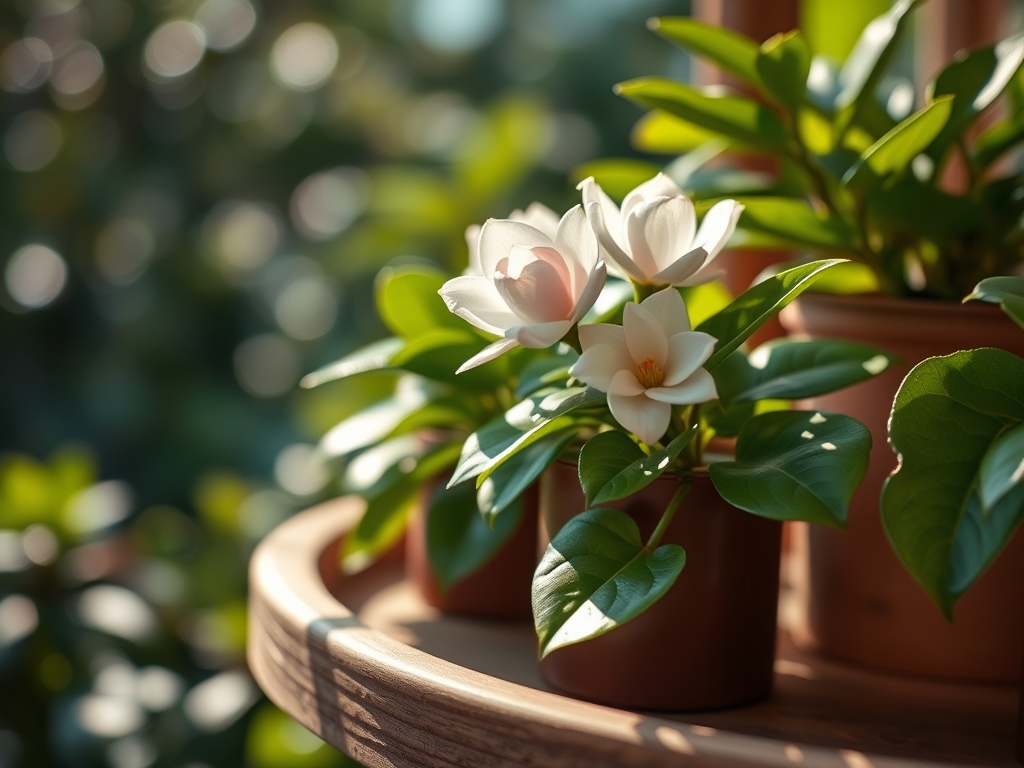
Gardenias demand precision. Their lustrous, cream-petaled blooms and intoxicating fragrance emerge only when soil pH hovers between 5.0 and 6.0, and when light, water, and nutrient ratios align. Learning how to prepare a plant shelf for gardenias means engineering an acidic microclimate indoors, where mycorrhizal fungi colonize roots and iron remains chelated and available. This guide delivers six acid-loving steps to transform a dormant shelf into a productive gardenia station.
Materials
Substrate composition determines success. Combine 2 parts acidic peat moss (pH 3.5–4.5), 1 part pine bark fines (particle size 0.25–0.5 inches), and 1 part perlite (grade 2 or 3). This blend achieves a cation exchange capacity of approximately 12–15 meq/100g, ensuring nutrient retention without waterlogging.
Add 1 tablespoon of elemental sulfur per gallon of mix to lower pH by 0.5–1.0 units over three weeks. Incorporate a 4-4-4 organic fertilizer (blood meal, bone meal, and greensand) at 2 tablespoons per gallon to provide slow-release nitrogen, phosphorus, and potassium. Gardenias require micronutrients: blend in 1 teaspoon of iron sulfate (ferrous sulfate, FeSO4·7H2O) per gallon to prevent chlorosis. Mycorrhizal inoculant containing Rhizophagus irregularis at 300 propagules per gram accelerates root colonization and phosphorus uptake.
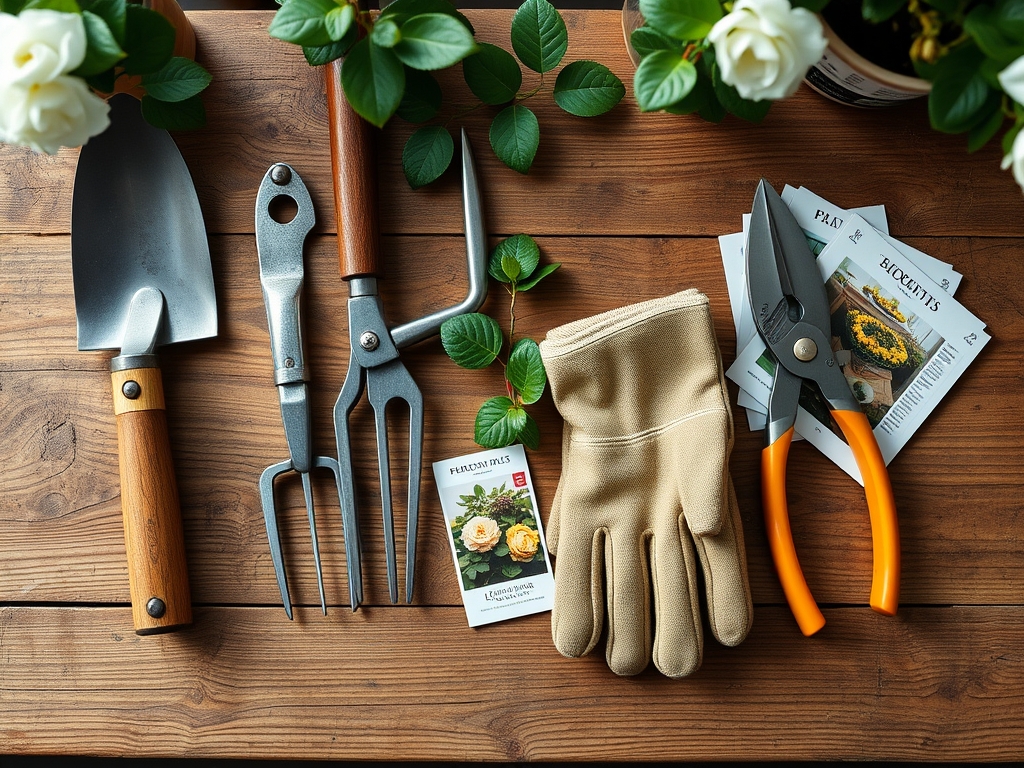
Containers must provide drainage. Select 10-inch pots with at least four quarter-inch holes. Shelf structure should support 15 pounds per linear foot. Full-spectrum LED grow lights (5000–6500K color temperature, 2000–3000 lumens per square foot) replicate the dappled sunlight of gardenias' native subtropical understory.
Timing
Gardenias thrive in USDA Hardiness Zones 8–11 outdoors, but indoor shelves eliminate frost risk. Begin shelf preparation in late winter (February–March in the Northern Hemisphere) to synchronize with natural auxin distribution cycles. Transplant nursery specimens after the last frost date if transitioning from outdoor starts, or initiate year-round if sourcing greenhouse-grown stock.
Indoor temperatures should stabilize between 65–70°F during the day and 60–62°F at night. Deviations below 55°F halt bud development. Install a programmable thermostat with ±2°F accuracy. Photoperiod matters: gardenias require 10–12 hours of light daily during vegetative growth, extended to 14 hours during bud set (typically late spring).
Phases
Sowing and Rooting
Gardenias propagate best from semi-hardwood cuttings taken in late summer. Cut 4–6 inch terminals at a 45-degree angle below a node. Strip lower leaves, leaving two pairs at the apex. Dip cut ends in rooting hormone powder containing 0.3% indole-3-butyric acid (IBA). Insert cuttings into moistened perlite-peat mix (1:1 ratio) within cell trays.
Maintain 75–80°F bottom heat using seedling heat mats (18 watts). Enclose trays in clear plastic to sustain 90% relative humidity. Rooting occurs in 6–8 weeks. Pro-Tip: Inoculate rooting medium with Trichoderma harzianum at 1 × 10^6 colony-forming units per gram to suppress Pythium damping-off.
Transplanting
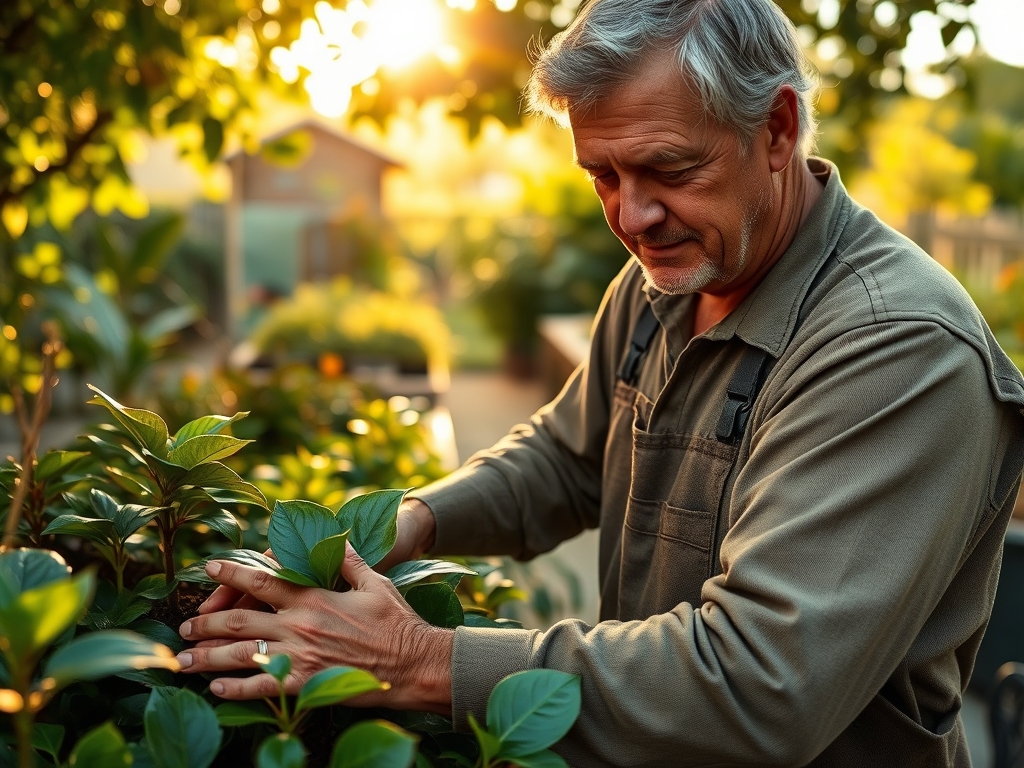
Once roots emerge from drainage holes and reach 2 inches in length, transplant into prepared acidic mix. Handle root balls gently to preserve mycorrhizal hyphae. Set the root crown level with the soil surface. Firm soil around roots, then water with a starter solution: dilute liquid fertilizer (3-10-10 formulation) to one-quarter strength, or 0.75-2.5-2.5 NPK per gallon.
Space pots 18 inches apart on the shelf to allow air circulation. Position grow lights 12 inches above foliage, adjusting as plants grow. Pro-Tip: Apply a quarter-inch layer of pine needle mulch to the soil surface. Pine needles release tannic acid during decomposition, sustaining acidic pH and suppressing fungal gnats.
Establishing
Feed every two weeks during active growth (spring through early fall) with an acid-forming fertilizer (30-10-10 NPK) diluted to half-strength. Alternate with chelated iron foliar spray (0.1% ferrous EDTA solution) monthly to maintain deep green foliage. Prune terminal shoots by one-third after flowering to promote lateral branching and increase bud sites. Cut at a 30-degree angle, one-quarter inch above an outward-facing node.
Pro-Tip: Monitor substrate pH monthly with a digital meter (accuracy ±0.1 pH units). If pH drifts above 6.5, drench with aluminum sulfate solution (1 tablespoon per gallon of water) until runoff. Gardenias absorb iron only when soil pH remains acidic.
Troubleshooting
Symptom: Interveinal chlorosis (yellow leaves, green veins)
Solution: Iron deficiency induced by alkaline pH. Apply chelated iron (Sprint 138 or Sequestrene 138) at 1 teaspoon per gallon every two weeks. Confirm substrate pH below 6.0.
Symptom: Bud drop before opening
Solution: Triggered by temperature fluctuations exceeding 10°F, low humidity below 50%, or ethylene exposure. Isolate from ripening fruit. Use a humidifier or pebble trays to raise ambient humidity to 60–70%.
Symptom: Sooty mold coating on leaves
Solution: Secondary infection following aphid or whitefly honeydew. Spray insecticidal soap (potassium salts of fatty acids, 2% concentration) weekly for three weeks. Wipe leaves with diluted neem oil (0.5%) to remove mold.
Symptom: Brown leaf margins and tip dieback
Solution: Salt accumulation from over-fertilization or fluoridated tap water. Leach pots with distilled water (three times the container volume) monthly. Switch to rainwater or reverse-osmosis water.
Symptom: Powdery white growth on stems
Solution: Mealybugs (Planococcus citri). Dab with isopropyl alcohol on a cotton swab. For severe infestations, spray horticultural oil (2%) at seven-day intervals.
Maintenance
Water when the top inch of substrate feels dry, approximately every three to four days in active growth. Apply 1 inch of water per session (measured by placing a rain gauge beneath the pot) until runoff appears. Reduce frequency to weekly during winter dormancy.
Fertilize with acid-specific granular formula (10-5-5 NPK with added sulfur) at 1 tablespoon per pot every six weeks from March through September. Cease feeding in October to harden growth before dormancy.
Repot every 18–24 months in early spring, increasing container size by 2 inches in diameter. Prune roots by one-third if keeping pot size constant. Replace substrate entirely to refresh organic matter and beneficial microbes.
FAQ
How long before a gardenia blooms on a shelf?
Rooted cuttings bloom in 18–24 months. Nursery plants often flower within one growing season if bud-set conditions (14-hour photoperiod, consistent 65°F nights) are met.
Can I use regular potting soil for gardenias?
No. Standard potting mixes have pH 6.5–7.0, too alkaline for iron uptake. Only acidic substrates with pH 5.0–6.0 prevent chlorosis.
Do gardenias need direct sun indoors?
They require 2000–3000 lumens but cannot tolerate direct midday sun, which scorches leaves. Grow lights or bright, indirect east-facing windows work best.
Why are my gardenia leaves turning yellow despite fertilizing?
Yellowing with green veins indicates iron chlorosis, caused by alkaline pH blocking iron absorption. Test and adjust pH, then apply chelated iron.
How often should I test soil pH?
Monthly during the first six months, then quarterly. Substrate pH drifts upward over time due to water alkalinity and fertilizer residues.