8 Blooming Tips to Use Specialized Orchid Fertilizer
Using a specialized orchid fertilizer transforms the blooming potential of epiphytic orchids by delivering precisely calibrated nitrogen, phosphorus, and potassium ratios that match their unique metabolic demands. These botanical marvels, which evolved to extract nutrients from bark crevices and atmospheric moisture in tropical canopies, require fertilization protocols fundamentally different from terrestrial plants. The waxy cuticles of orchid roots absorb dilute mineral solutions more efficiently than concentrated feeds, making specialized formulations essential for sustained flower production.
Materials
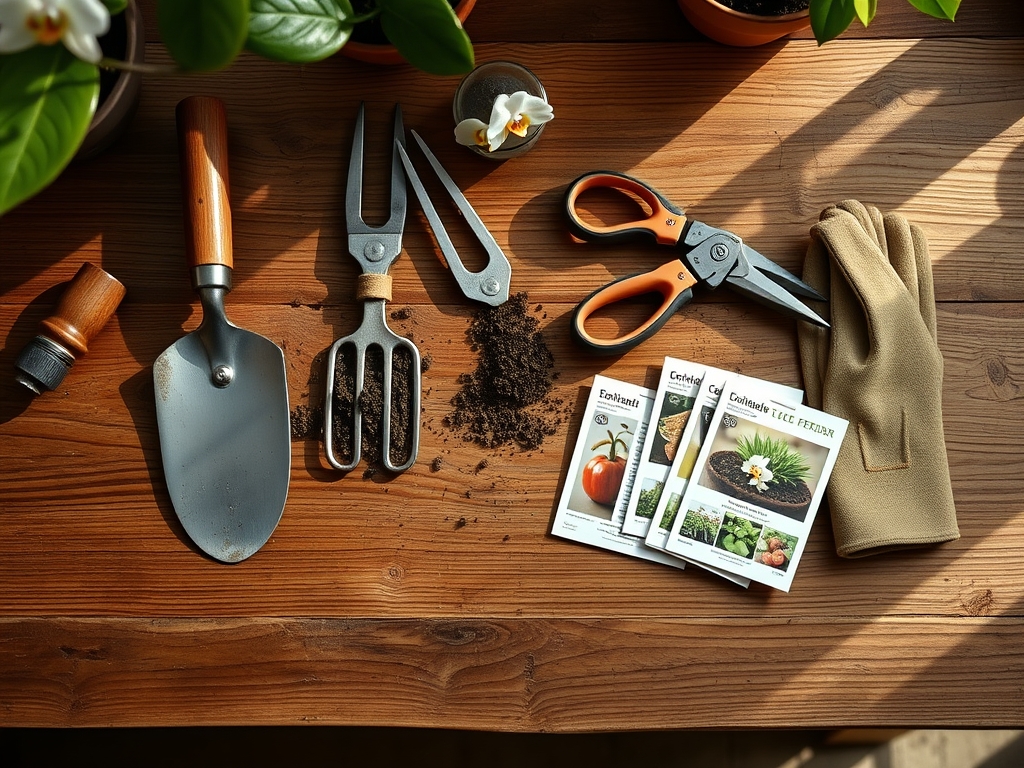
Orchid fertilizers divide into two categories based on growth phase requirements. Balanced formulations like 20-20-20 or 7-9-5 serve as baseline feeds, maintaining vegetative health between bloom cycles. The nitrogen component supports chlorophyll synthesis in photosynthetic roots and leaves, while phosphorus drives the formation of flower spikes.
Bloom-boost formulas shift ratios to 10-30-20 or similar high-phosphorus compositions. These specialized blends activate flowering genes by manipulating the auxin-to-cytokinin ratio within meristematic tissue. Apply these during autumn cooling periods when many orchid genera initiate bud formation.
Organic orchid feeds typically register 3-3-3 or 4-4-4 NPK values. Fish emulsion and kelp extracts provide trace elements like boron and molybdenum, which terrestrial fertilizers often omit. These micronutrients catalyze enzymatic functions specific to CAM photosynthesis, the carbon-fixation pathway many orchids employ.
Water quality dictates fertilizer selection. Hard water with pH above 7.2 requires acid-forming feeds containing urea nitrogen. Soft or reverse-osmosis water pairs best with nitrate-nitrogen sources, which prevent substrate acidification. Test substrate pH monthly; orchids thrive between 5.5 and 6.5, where iron and manganese remain bioavailable.
The cation exchange capacity of potting media affects nutrient retention. Bark-based mixes have low CEC, demanding weekly fertilization at quarter-strength (approximately 100-150 ppm nitrogen). Sphagnum moss retains ions longer, allowing biweekly feeds at similar concentrations.
Timing
In USDA Hardiness Zones 10-11, outdoor orchid cultivation follows natural monsoon rhythms. Begin weekly fertilization in March as temperatures stabilize above 60°F at night. This coincides with the spring growth flush for Phalaenopsis, Cattleya, and Dendrobium species.
Zones 4-9 require indoor culture for most orchid types. Initiate feeding protocols when day length exceeds 12 hours, typically mid-February. This photoperiod triggers vegetative growth in genera like Oncidium and Paphiopedilum.
Reduce fertilization frequency by half during winter months. Shortened photoperiods slow metabolism, decreasing nutrient uptake capacity. Excess salts accumulate in the root zone, causing tip burn on leaves and root desiccation.
High-elevation species from Andean cloud forests (Masdevallia, Dracula) require year-round cool temperatures. Fertilize these continuously at reduced strength, matching their constant but slow growth pattern.
Phases

Establishing New Acquisitions
Newly purchased orchids enter a 30-day acclimation period. Do not fertilize during this window. Transplant stress disrupts root function, and salts can desiccate compromised tissue.
After four weeks, begin feeding at one-eighth strength. Gradually increase to quarter-strength over eight weeks. This protocol allows root cilia to regenerate and resume active ion transport.
Pro-Tip: Inoculate bark media with mycorrhizal fungi (Rhizoctonia species selected for orchids) at transplant. These symbionts colonize velamen tissue, increasing phosphorus absorption by 300 percent and producing growth-stimulating hormones.
Vegetative Growth Phase
From spring through mid-summer, apply balanced fertilizer weekly. Target 100 ppm nitrogen for Phalaenopsis, 150 ppm for robust growers like Cymbidium. Mix fertilizer into irrigation water; never apply to dry media.
Monitor new leaf production. Each pseudobulb or growth should produce one leaf every 3-4 weeks during active growth. Slower rates indicate insufficient nitrogen or inadequate light intensity.
Pro-Tip: Alternate between urea-based and nitrate-based fertilizers monthly. This prevents salt accumulation and supplies nitrogen in both quick-release and sustained-release forms.
Bloom Induction Phase
Eight weeks before desired bloom time, switch to high-phosphorus formulas. Simultaneously reduce night temperatures by 10-15°F. This thermal differential, combined with increased phosphorus availability, triggers flower spike emergence.
Continue bloom fertilizer through bud development. Once flowers open, revert to balanced feed or cease fertilization entirely. Nutrient uptake drops dramatically during anthesis, the period of active flowering.
Pro-Tip: Apply potassium silicate at 50 ppm Si during spike elongation. Silica strengthens cell walls in the inflorescence stem, preventing collapse under the weight of multiple flowers.
Troubleshooting
Symptom: Black root tips with papery velamen. Solution: Salt burn from over-fertilization. Flush media with distilled water at three times the pot volume. Resume feeding at half-strength after two weeks.
Symptom: Yellow lower leaves with green veins. Solution: Iron chlorosis caused by elevated pH. Drench substrate with chelated iron at 2 grams per gallon. Acidify water to pH 6.0 using sulfuric acid or vinegar at 1 teaspoon per gallon.
Symptom: Accordion-pleated leaves. Solution: Calcium deficiency during rapid leaf expansion. Apply calcium nitrate foliar spray at 1 gram per liter during new growth. Maintain relative humidity above 50 percent.
Symptom: Stunted growth with dark foliage. Solution: Nitrogen toxicity or insufficient light. Leach substrate and relocate plant to higher light (2000-3000 foot-candles for Phalaenopsis). Reduce feed concentration by half.
Symptom: Bud blast (premature flower drop). Solution: Ethylene gas accumulation or boron deficiency. Ventilate growing area. Add solubor at 0.1 gram per gallon to fertilizer solution.
Maintenance
Water orchids when media approaches dryness, approximately every 5-7 days for bark mixes. Apply 0.5 inches of water per pot volume, ensuring complete drainage. Standing water suffocates roots within 12 hours.
Flush media monthly with plain water to prevent salt accumulation. This practice maintains electrical conductivity below 1.0 mS/cm, the threshold for root damage in epiphytic orchids.
Repot every 18-24 months using fresh bark media. Decomposed substrate compacts, reducing air porosity below the 30 percent minimum orchid roots require.
Prune spent flower spikes at the base for Phalaenopsis. Cut above the third node on Dendrobium canes to stimulate keiki (plantlet) production.
FAQ
How often should I fertilize orchids?
Weekly at quarter-strength (100-150 ppm nitrogen) during active growth. Biweekly during winter dormancy. The formula "weekly, weakly" summarizes this protocol.
Can I use regular houseplant fertilizer on orchids?
Only if diluted to one-quarter label rate. Standard fertilizers contain excessive nitrogen and lack micronutrients orchids need. Specialized orchid formulas include calcium, magnesium, and trace elements in proper ratios.
What fertilizer ratio promotes blooming?
Formulations with NPK ratios like 10-30-20 or 3-12-6 supply high phosphorus for flower spike initiation. Apply for 8-12 weeks before expected bloom season.
Should I fertilize year-round?
Reduce frequency by 50 percent during winter when growth slows. Never fertilize completely dormant deciduous orchids like Calanthe or Pleione until new shoots emerge in spring.
Why are my orchid leaves turning red?
Anthocyanin pigmentation from high light intensity or phosphorus accumulation. This physiological response does not harm plants but indicates stress. Reduce light by 20 percent or dilute fertilizer concentration.