8 Best Low-Maintenance Plants for a Garden Renovation
Crushing a handful of damp, friable loam reveals the structural integrity of your soil. The scent of geosmin indicates active microbial life, while the turgor pressure in a healthy leaf confirms a functional vascular system. When selecting the best plants for garden renovation, success depends on matching physiological requirements to your specific microclimate. A renovation is not merely an aesthetic shift; it is a recalibration of the rhizosphere to ensure long term stability with minimal intervention. You must prioritize species that exhibit high drought tolerance, resistance to local pathogens, and efficient nutrient uptake. By focusing on botanical resilience, you reduce the need for synthetic inputs and constant pruning. This guide identifies eight species that thrive under pressure, allowing you to transition from a high maintenance landscape to a self sustaining ecosystem. We will analyze the cation exchange capacity of your soil and the specific photoperiod requirements for each selection to ensure your renovation yields a professional grade result.
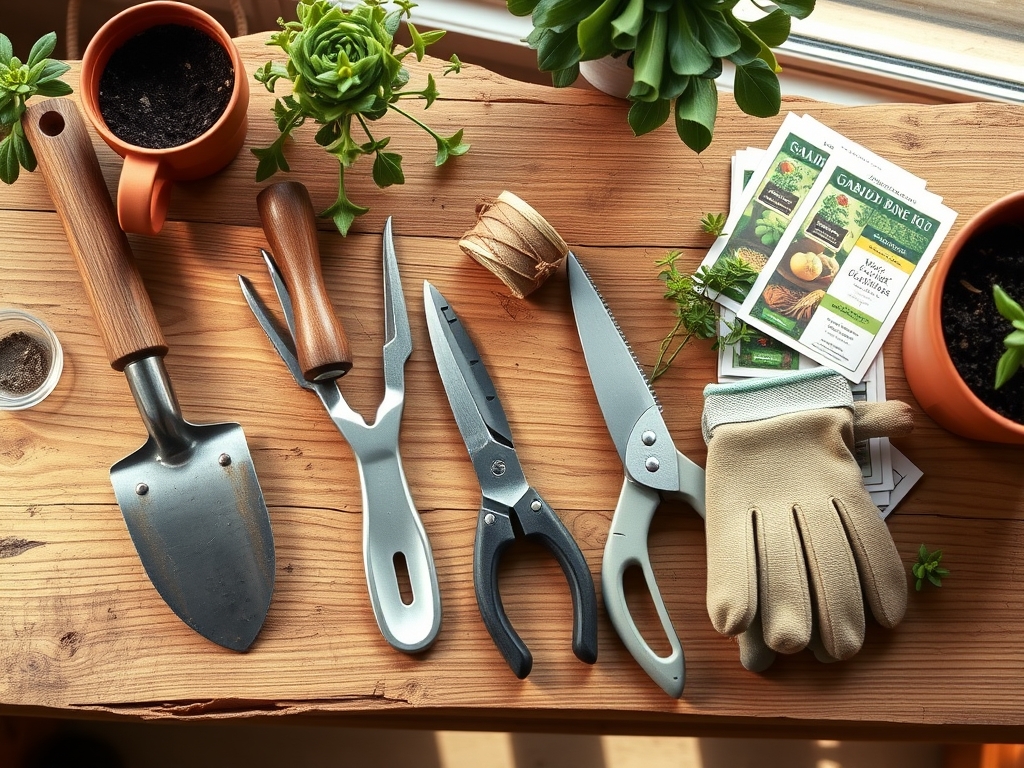
Materials:
Successful establishment requires a substrate with a Cation Exchange Capacity (CEC) between 15 and 25 meq/100g. Most low maintenance perennials prefer a soil pH of 6.0 to 7.0. For the primary installation phase, utilize a balanced organic fertilizer with an NPK ratio of 5-10-5 to prioritize root development over rapid foliar expansion.
The physical texture of the substrate should be a friable sandy loam. This allows for adequate macropores, which facilitate gas exchange and prevent anaerobic conditions. If your soil is heavy clay, incorporate expanded shale or high quality compost to increase the infiltration rate. If the soil is excessively sandy, add organic matter to improve water retention and nutrient holding capacity. Ensure you have a soil moisture meter calibrated to your specific soil type to monitor the volumetric water content during the first six months of growth.
Timing:
The biological clock of your garden is governed by the photoperiod and the thermoperiod. Most renovations should occur when plants are in a state of semi dormancy or just prior to their primary growth flush. For Hardiness Zones 5 through 9, the optimal window is typically six weeks before the first hard frost or four weeks after the last spring frost.
Vegetative growth is driven by temperatures between 60 and 75 degrees Fahrenheit. When the soil temperature reaches a consistent 55 degrees Fahrenheit, root activity accelerates. Transitioning from the vegetative stage to the reproductive stage is often triggered by changes in day length. For example, many ornamental grasses will not begin their senescence or flowering phase until the nights begin to lengthen in late summer. Aligning your planting schedule with these natural rhythms ensures the root system is established before the plant allocates energy to seed production or enters winter dormancy.
Phases:

Sowing and Site Preparation
Clear all competitive vegetation using a hori-hori knife to sever taproots. Dig a hole twice as wide as the root ball but no deeper. This prevents the plant from settling too low, which can lead to crown rot.
Pro-Tip: Avoid over tilling the soil. Excessive disturbance breaks down the mycorrhizal symbiosis between fungal hyphae and plant roots; this network is essential for phosphorus uptake and drought resistance.
Transplanting the Best Plants for Garden Renovation
Carefully remove the plant from its container and inspect the root architecture. If the roots are circling, make three or four vertical cuts to encourage outward growth. Place the plant so the flare of the root system is exactly at the soil surface.
Pro-Tip: Water the transplant immediately to eliminate air pockets. This maintains turgor pressure in the xylem, preventing the plant from wilting due to transplant shock.
Establishing the Root System
During the first ninety days, the plant focuses on subterranean expansion. Maintain consistent moisture levels but allow the top inch of soil to dry between applications. This encourages the roots to grow deeper in search of water.
Pro-Tip: Apply a three inch layer of arborist wood chips. This suppresses auxin suppression from weed competition and regulates soil temperature; consistent temperatures prevent the "heaving" that can eject new plants from the ground during freeze-thaw cycles.
The Clinic:
Physiological disorders often mimic disease but are usually the result of environmental stress or nutrient imbalances.
- Symptom: Interveinal chlorosis on young leaves (yellowing between green veins).
- Solution: This indicates an Iron (Fe) deficiency, often caused by high soil pH.
- Fix-It: Apply chelated iron or lower the pH using elemental sulfur to a range of 6.2 to 6.5.
- Symptom: Marginal leaf burn or necrosis on older foliage.
- Solution: Potassium (K) deficiency or salt accumulation from softened water.
- Fix-It: Flush the soil with three inches of rainwater and apply a 0-0-50 potassium sulfate supplement.
- Symptom: Stunted growth with purple or reddish tints on stems.
- Solution: Phosphorus (P) deficiency, often occurring in cold, wet soils.
- Fix-It: Increase soil temperature with dark mulch and ensure the NPK ratio of your fertilizer is sufficient for the species.
- Symptom: Excessive "leggy" growth with weak stems.
- Solution: Nitrogen toxicity or insufficient light.
- Fix-It: Reduce nitrogen inputs and prune surrounding canopy to increase the Photosynthetically Active Radiation (PAR) reaching the plant.
Maintenance:
Precision is the hallmark of a master horticulturist. For the eight best plants for garden renovation (such as Nepeta, Sedum, and Panicum), provide 1.5 inches of water per week delivered at the drip line. Avoid overhead irrigation to prevent foliar pathogens. Use bypass pruners for clean cuts; ragged edges increase the surface area for opportunistic fungi.
Pruning should follow the "Three Ds" rule: remove anything Dead, Damaged, or Diseased. For ornamental grasses, cut back to 4 inches above the crown in late winter before new green shoots emerge. For woody perennials, prune just above a lateral bud to direct growth away from the center of the plant. This increases airflow and light penetration, reducing the risk of powdery mildew.
The Yield:
When harvesting flowers or foliage from your renovation, timing is critical for post harvest longevity. Cut stems in the early morning when the plant has maximum turgor. Use a sharp blade to avoid crushing the vascular bundles. Immediately plunge the stems into 100 degree Fahrenheit water to remove air bubbles from the xylem.
For "day-one" freshness, store the cuttings in a cool, dark environment for two hours before arranging. This allows the plant to stabilize its metabolic rate. If you are harvesting seeds for next season, wait until the seed heads have turned brown and the moisture content is below 15 percent. Store seeds in a desiccant filled container at 40 degrees Fahrenheit.
FAQ:
What is the best soil for a garden renovation?
A well draining, friable loam with a pH between 6.0 and 7.0 is ideal. Ensure the organic matter content is at least 5 percent to support microbial activity and nutrient cycling within the rhizosphere.
How often should I water new plants?
Provide 1 to 1.5 inches of water weekly during the first growing season. Use a soil moisture meter to ensure the root zone remains hydrated without becoming anaerobic. Adjust based on evaporation rates and local rainfall.
When is the best time to prune perennials?
Most perennials should be pruned in late winter or early spring before the first flush of growth. This prevents the removal of stored carbohydrates and allows the plant to direct energy into new, healthy tissue.
How do I fix yellowing leaves?
Check the soil pH and nitrogen levels. Interveinal chlorosis usually requires chelated iron, while uniform yellowing of older leaves suggests a nitrogen deficiency. Correct the soil chemistry based on a professional soil test result.
What tools are essential for a renovation?
A hori-hori knife for weeding and planting, bypass pruners for clean tissue removal, and a soil moisture meter for irrigation management. High quality tools ensure precision and reduce mechanical damage to the plants.