7 Refreshing Steps to Repot a Peace Lily
The sound of roots cracking through plastic is the peace lily's clearest signal. When white rhizomes curl against the drainage holes or the plant tips despite regular watering, the time has come. These steps for repotting a peace lily address root-bound stress, optimize auxin distribution, and restore the cation exchange capacity that Spathiphyllum wallisii requires for consistent blooming. The process demands precision, not sentiment.
Materials
Select a container 2 inches wider in diameter than the current pot. Terracotta improves gas exchange but demands more frequent watering. Plastic retains moisture longer, appropriate for zones 10-12 where outdoor humidity remains above 60%.
Choose a soilless mix with a pH of 5.8 to 6.5. Combine 40% Canadian sphagnum peat, 30% aged pine bark (1/4-inch grade), 20% perlite (horticultural grade #3), and 10% worm castings. This blend provides a cation exchange capacity of 18-22 meq/100g, adequate for moderate feeders. Add 1 tablespoon of dolomitic limestone per gallon of mix to buffer pH drift.
Apply a 4-4-4 organic fertilizer at transplant. Blood meal, bone meal, and kelp meal in equal ratios supply slow-release nitrogen, phosphorus, and potassium without salt accumulation. Avoid synthetic formulations above 10-10-10; peace lilies exhibit tip burn when electrical conductivity exceeds 1.5 mS/cm.
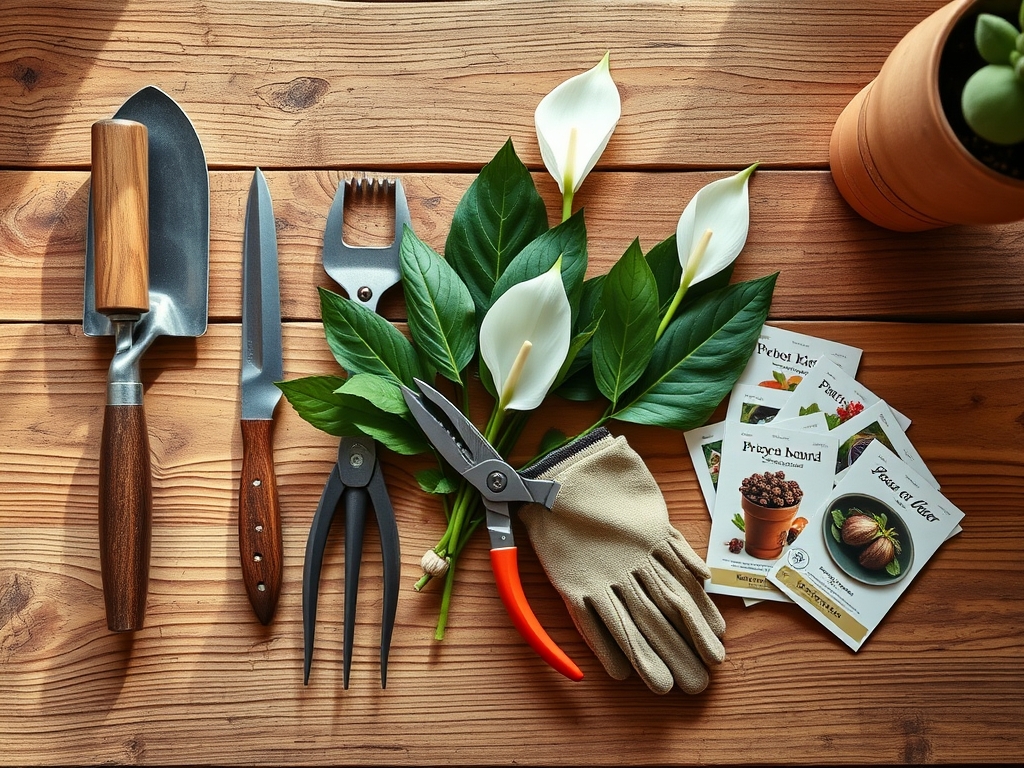
Sterilize pruning shears with a 10% bleach solution. Prepare mycorrhizal inoculant containing Glomus intraradices at 150 propagules per gram.
Timing
Repot during active growth, typically March through August in USDA Hardiness Zones 4-9. Indoor specimens under artificial light follow a less strict calendar but benefit from spring repotting when day length naturally increases. Avoid repotting within 4 weeks of a bloom cycle; the plant diverts energy to flower maintenance rather than root regeneration.
In zones 10-12, where peace lilies grow outdoors year-round, repot after the last spring rain when soil temperatures stabilize at 65°F. Frost-sensitive tissue dies at 32°F, so complete any outdoor repotting 6 weeks before the average first frost date.
Phases
Sowing (Initial Removal)
Water the plant 24 hours before repotting to consolidate the root ball. Invert the container and tap the rim against a hard surface. The root mass should slide free in one piece. If resistance occurs, run a soil knife around the interior perimeter.
Inspect the root ball under full-spectrum light. Healthy roots appear white to cream with a firm texture. Brown, mushy sections indicate Pythium root rot; excise these with sterilized shears, cutting 1 inch into healthy tissue.
Pro-Tip: Dust cut surfaces with cinnamon powder. Cinnamaldehyde inhibits fungal sporulation without disrupting beneficial microbes.

Transplanting (Potting)
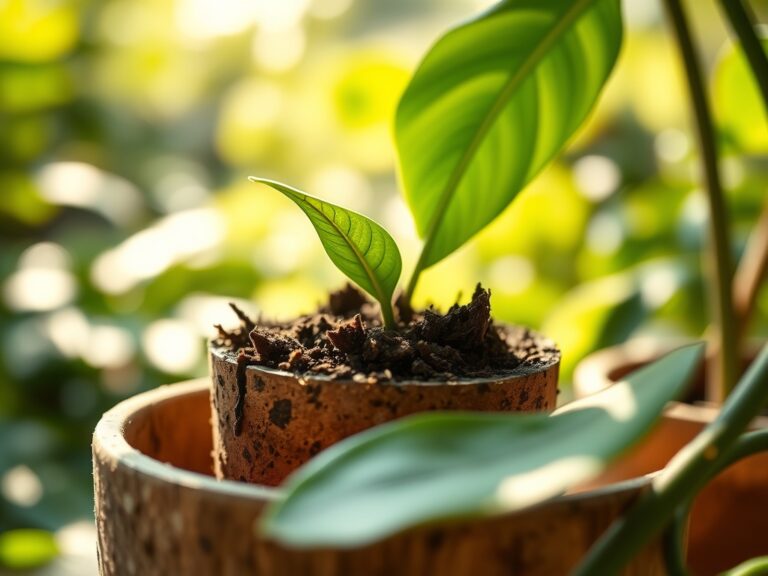
Place 1 inch of pre-moistened mix in the new container. Position the root ball so the crown sits 0.5 inches below the rim. This depth prevents water overflow while maintaining adequate moisture contact with lower roots.
Backfill around the root mass in 1-inch layers. Firm each layer with moderate pressure to eliminate air pockets without compacting the medium. Air pockets create dry zones; compaction reduces oxygen diffusion to root tips.
Sprinkle mycorrhizal inoculant directly onto exposed roots before backfilling. Hyphal colonization increases phosphorus uptake by 40% in low-light environments where peace lilies typically grow.
Pro-Tip: Water with a diluted kelp solution (1 tablespoon per gallon) immediately after repotting. Cytokinins in kelp extract accelerate lateral root initiation.
Establishing (Post-Transplant Care)
Place the repotted specimen in indirect light for 10 days. Direct sun during transplant shock causes irreversible chlorophyll breakdown. Maintain ambient temperature between 68-78°F.
Water when the top 1 inch of mix feels dry. Overwatering during establishment encourages anaerobic conditions and root asphyxiation. Underwatering halts cell division in root meristems.
Withhold fertilizer for 4 weeks. The organic amendments in the mix supply adequate nutrition during this period. Premature feeding increases soluble salt concentration, which draws water from recovering roots via osmosis.
Pro-Tip: Mist foliage daily with distilled water for 2 weeks. This compensates for reduced water uptake while damaged roots regenerate.
Troubleshooting
Symptom: Yellow leaves with green veins.
Solution: Iron chlorosis. Lower substrate pH to 6.0 using elemental sulfur at 1 tablespoon per gallon of mix. Apply chelated iron (Fe-EDDHA) at 1 teaspoon per gallon of water.
Symptom: Brown leaf tips despite adequate watering.
Solution: Fluoride toxicity from tap water. Switch to rainwater or distilled water. Flush the pot with 2 gallons of clean water to leach accumulated fluoride salts.
Symptom: Wilting 3-5 days after repotting.
Solution: Transplant shock from excessive root pruning. Remove 30% of leaf mass to balance reduced root capacity. Water with a B-vitamin solution (0.01% thiamine) to stimulate root hair development.
Symptom: White cotton-like masses on stems.
Solution: Mealybugs (Pseudococcidae family). Dab with isopropyl alcohol using a cotton swab. Spray weekly with insecticidal soap at 2% concentration.
Symptom: Failure to bloom 6 months post-repotting.
Solution: Insufficient phosphorus or excess nitrogen. Apply a 5-10-5 liquid fertilizer at half strength every 2 weeks. Ensure night temperatures drop to 60°F to trigger flower bud differentiation.
Maintenance
Apply 1 inch of water when the top 1 inch of substrate dries. Empty the saucer 30 minutes after watering to prevent root zone saturation. Peace lilies tolerate mild drought but wilt dramatically at 50% available water.
Feed every 6 weeks during active growth with a 10-10-10 water-soluble fertilizer diluted to 1/4 strength. This provides 50 ppm nitrogen per application, sufficient for moderate foliage production without excessive vegetative growth.
Wipe leaves monthly with a damp cloth to remove dust that blocks stomata. Do not use leaf shine products; they clog epidermal pores.
Divide clumps every 3 years when multiple crowns form. Each division requires at least 3 leaves and a proportional root mass.
FAQ
How often should peace lilies be repotted?
Every 18-24 months or when roots occupy 80% of container volume.
Can I use garden soil for repotting?
No. Garden soil compacts in containers, reducing oxygen availability and causing root rot.
Why do leaves droop after repotting?
Temporary water uptake reduction due to root disturbance. Maintain consistent moisture for 2 weeks.
Should I remove flowers before repotting?
Yes. Removing spathes redirects energy to root establishment.
What pot size is too large?
Any container more than 3 inches wider than the root ball. Excess mix stays saturated, promoting anaerobic decomposition.