9 Arid Tips to Use Specialized Cactus Fertilizer
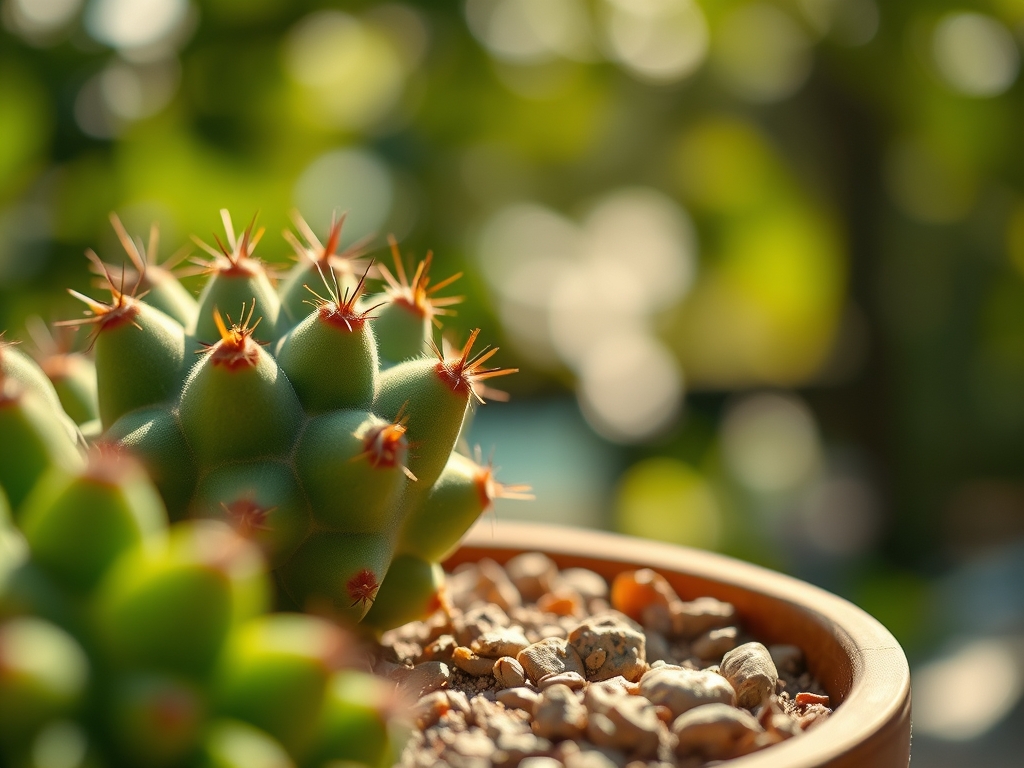
Succulent tissues that exhibit high turgor pressure feel firm and resilient under the thumb; they represent the peak of cellular hydration and nutrient storage. When the rhizosphere is balanced, the scent of damp mineral substrate signals a healthy microbial environment capable of sustaining slow growing xerophytes. Achieving this state requires a disciplined approach to nutrient delivery. Using a specialized cactus fertilizer ensures that the plant receives a precise ratio of macronutrients without the risk of nitrogen toxicity. Standard fertilizers often contain high nitrogen levels that force rapid, weak growth in desert species, leading to cellular rupture or fungal infection. In contrast, a specialized blend focuses on phosphorus and potassium to strengthen the epidermal walls and encourage root development. By maintaining a low nitrogen profile, the gardener prevents the bloated, pale growth characteristic of over-fertilized specimens. This technical precision mirrors the harsh, nutrient-sparse conditions of the Sonoran or Chihuahuan deserts while providing the consistent mineral availability necessary for container cultivation. Proper application transforms a stagnant plant into a robust specimen capable of withstanding extreme thermal fluctuations.
Materials:
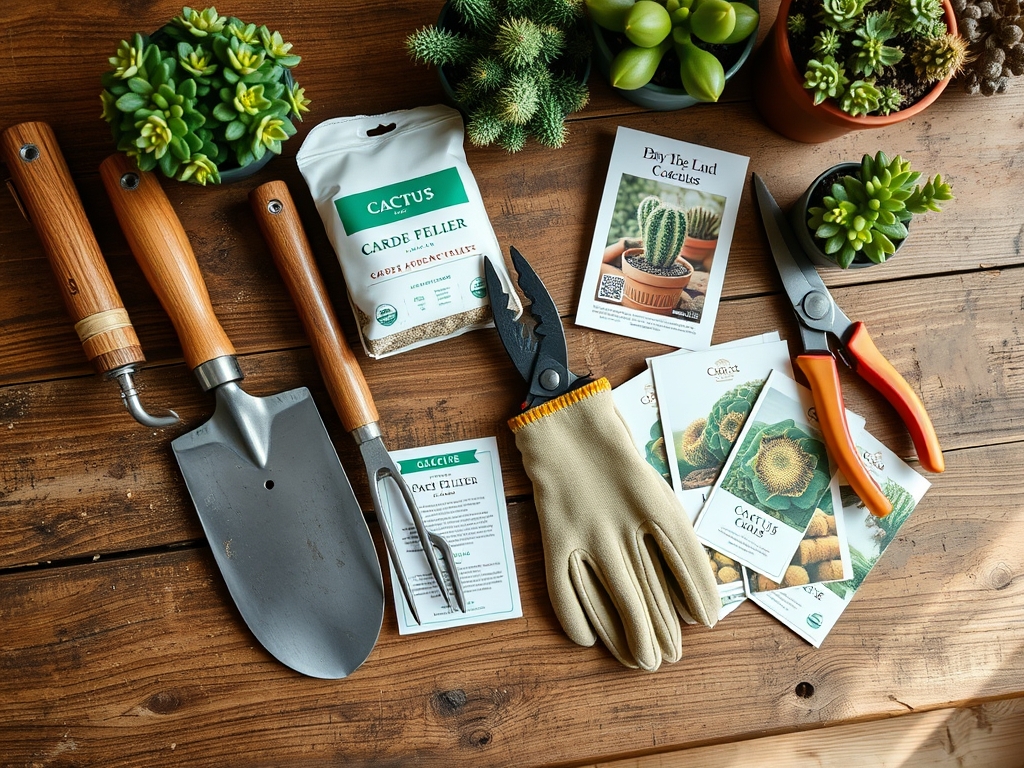
The ideal substrate for arid species is a friable loam with high porosity and low organic matter. The soil pH should be maintained between **5.5 and 6.5** to optimize nutrient availability. When the pH exceeds 7.0, micronutrients like iron and manganese become chemically locked, leading to interveinal chlorosis.
For nutrient delivery, select a specialized cactus fertilizer with an NPK ratio of 5-10-10 or 1-2-2. Low nitrogen (N) prevents etiolation, while high phosphorus (P) and potassium (K) support flowering and osmotic regulation. The Cation Exchange Capacity (CEC) of the soil should be managed by including calcined clay or pumice; these materials provide sites for cation attachment, ensuring that minerals do not leach out during irrigation. Essential micronutrients must include boron, copper, iron, manganese, molybdenum, and zinc at trace levels.
Timing:
Hardiness Zones 8 through 11 dictate the primary growing season for most desert cacti. Fertilization must align with the biological clock of the plant, specifically the transition from winter dormancy to the vegetative stage. In most regions, this window opens when nighttime temperatures consistently remain above 55 degrees Fahrenheit.
The first application should occur in early spring, typically between March and April, as the plant exits senescence and enters its peak metabolic phase. Cease all fertilization by late August or September. Applying nutrients late in the season stimulates new growth that cannot harden off before the first frost, leading to catastrophic tissue damage. During the reproductive stage, usually mid-spring for many genera, the increased phosphorus levels in the specialized fertilizer support the high energy demands of bud formation and anthesis.
Phases:

Sowing
When starting from seed, use a sterile, fine-grit medium. Maintain a constant temperature of 70 to 80 degrees Fahrenheit. Do not use full-strength fertilizer on seedlings. Instead, use a 25 percent dilution once the first set of true spines appears.
Pro-Tip: Seedlings require high humidity but low nutrient concentrations to prevent osmotic shock. The biological why involves the delicate nature of the primary radicle; excessive salts in the soil can desiccate the emerging root through osmotic withdrawal.
Transplanting
When moving a specimen, inspect the root architecture for any signs of decay. Use a hori-hori knife to tease out circling roots. Wait at least seven to ten days before the first irrigation and fertilization to allow callous formation on damaged roots.
Pro-Tip: Delaying water prevents pathogens from entering open wounds. This period allows the plant to initiate auxin suppression at the wound site, redirecting energy toward callousing rather than vegetative expansion.
Establishing
Once the plant is anchored, apply the specialized fertilizer at half-strength every second watering. Ensure the solution reaches the entire root zone but avoid wetting the base of the plant (the neck) to prevent rot.
Pro-Tip: Consistent, low-dose feeding supports mycorrhizal symbiosis. These beneficial fungi extend the reach of the root system, increasing the surface area for water and mineral absorption in exchange for plant sugars.
The Clinic:
Physiological disorders in cacti often stem from improper nutrient ratios or environmental stress.
Symptom: Yellowing of the base or new growth (Chlorosis).
Solution: This is often a nitrogen deficiency or a pH imbalance. Check soil pH; if it is above 7.0, flush with acidified water. If pH is correct, apply a specialized fertilizer with a slightly higher nitrogen fraction for one cycle.
Symptom: Soft, dark spots at the crown.
Solution: This indicates fungal rot, often caused by over-fertilization with nitrogen which weakens cell walls. Excise the necrotic tissue with a sterile blade and treat with a copper-based fungicide.
Symptom: Splitting of the ribs or epidermis.
Solution: This is caused by excessive turgor pressure from over-irrigation or high salt buildup. Flush the soil with three times the pot volume of pure water to leach excess salts.
Fix-It: Magnesium Deficiency
If the plant shows "bronzing" or reddish tints despite adequate light, it may lack magnesium. Add one tablespoon of Epsom salts per gallon of water during the next scheduled feeding to restore chlorophyll production.
Maintenance:
Precision is the hallmark of professional cactus care. Use a soil moisture meter to ensure the substrate is completely dry at a depth of three inches before reapplying water. For outdoor specimens in arid zones, provide 1.5 inches of water per week during the heat of summer, delivered at the drip line to encourage lateral root expansion.
Maintain the plant's form using bypass pruners for any dead or diseased limbs. Always sterilize tools with 70 percent isopropyl alcohol between cuts. Monitor the soil surface for salt crusting; if a white film appears, it indicates that the specialized fertilizer is being applied too frequently or the water has high mineral content.
The Yield:
For fruiting species like Opuntia or Hylocereus, harvest timing is critical for sugar content. Fruits should be harvested when the color is uniform and the fruit gives slightly to gentle pressure. Use a specialized picking tool or heavy gloves to avoid glochids.
Post-harvest, store fruits at 45 to 50 degrees Fahrenheit to slow senescence. Do not wash the fruit until immediately before consumption to maintain the integrity of the epicuticular wax, which prevents moisture loss and maintains day-one freshness.
FAQ:
How often should I use specialized cactus fertilizer?
Apply fertilizer once every four to six weeks during the active growing season. Always dilute the solution to half the manufacturer's recommended strength to prevent salt buildup in the rhizosphere.
Can I use regular plant food for my cactus?
No. Standard plant food typically has high nitrogen levels that cause weak, elongated growth and increase susceptibility to pests. Using a specialized cactus fertilizer provides the necessary low-nitrogen, high-potassium balance.
What is the best NPK ratio for desert plants?
Look for a ratio where the second and third numbers are double the first, such as 5-10-10. This ensures the plant prioritizes structural integrity and root health over rapid, unsustainable green growth.
Should I fertilize my cactus in the winter?
Never fertilize during winter dormancy. Cacti require a rest period with cool temperatures and dry soil. Adding nutrients during this time can disrupt the biological clock and lead to root rot.