8 Health Benefits of Specialized Succulent Soil
Crushing a handful of dry, gritty substrate reveals the sharp scent of mineral dust and calcined clay; this is the foundation of plant health. When a leaf feels firm and resists slight pressure, it possesses high turgor pressure, indicating a hydrated cellular structure. Using a specialized succulent soil ensures that the root zone remains oxygenated while preventing the anaerobic conditions that lead to soft rot. Standard potting mixes often retain too much moisture, causing the parenchyma cells in the stem to burst from osmotic stress. A professional grade substrate focuses on macroporosity, allowing water to transit the pot in under ten seconds. This rapid drainage mimics the arid environments of the Namaqualand or the Chihuahuan Desert. By controlling the moisture film around the root hairs, the gardener dictates the metabolic rate of the specimen. Proper soil physics prevent the accumulation of stagnant water, which is the primary vector for fungal pathogens. Success begins with the structural integrity of the medium, ensuring the rhizosphere remains a balance of 50 percent solids, 25 percent air, and 25 percent water.
Materials:
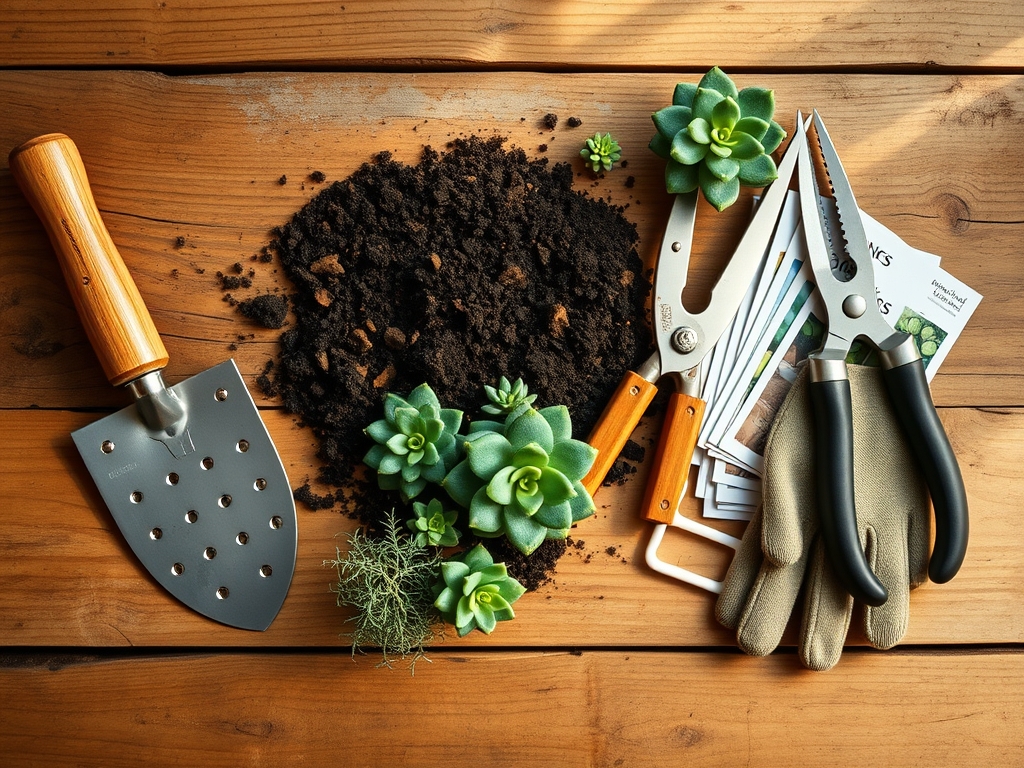
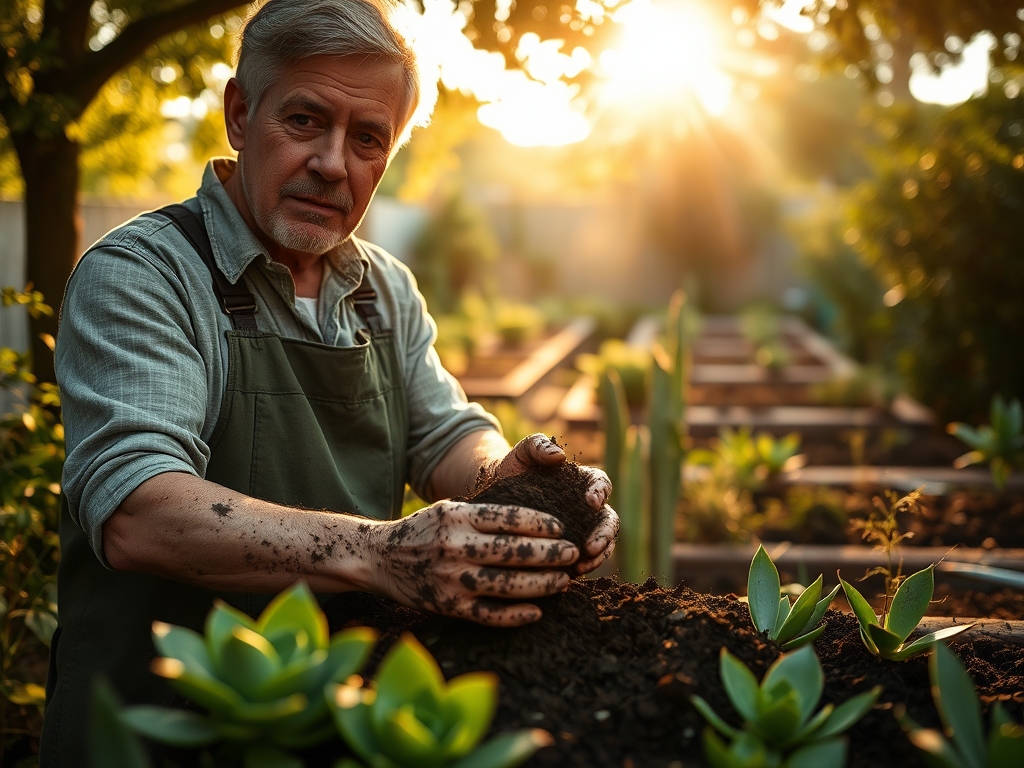
The ideal substrate for xeric plants must maintain a **pH range between 5.5 and 6.5** to optimize nutrient availability. At this acidity level, micronutrients like iron and manganese remain soluble. The physical texture should be a **friable loam** mixed with inorganic aggregates. Use a ratio of **2 parts crushed granite or pumice to 1 part organic matter** (such as coco coir or aged pine bark). Avoid peat moss as it becomes hydrophobic when dry.
For nutritional support, target a low-nitrogen NPK ratio of 3-7-7 or 5-10-10. High nitrogen levels induce weak, "leggy" growth that is susceptible to cellular collapse. Incorporate bone meal for phosphorus to support root development and potassium sulfate to strengthen cell walls. The Cation Exchange Capacity (CEC) should be moderate; enough to hold nutrients but low enough to prevent salt buildup from synthetic fertilizers.
Timing:
Succulent metabolism is tethered to the Biological Clock, specifically the transition from winter dormancy to spring vegetative growth. In Hardiness Zones 8 through 11, outdoor planting should occur after the last frost date, typically when nighttime temperatures consistently exceed 50 degrees Fahrenheit (10 degrees Celsius). For indoor specimens, the "active" phase begins as the photoperiod extends beyond 12 hours.
Plants in the Crassulaceae family often undergo a reproductive stage (flowering) in late winter or early spring. Avoid transplanting during the peak of anthesis, as the plant redirects energy from root establishment to seed production. The optimal window for Using a specialized succulent soil is the precise moment new leaf primordia appear at the apical meristem. This ensures the root system can immediately colonize the new medium during its highest metabolic demand.
Phases:
Sowing
When starting from seed, use a fine-textured version of the specialized mix. Surface-sow the seeds, as most succulent species require light for germination. Maintain a constant temperature of 70 to 75 degrees Fahrenheit. Cover the tray with a clear dome to maintain 80 percent humidity until the first true leaves appear.
Pro-Tip: Monitor for phototropism early. If seedlings lean toward the light source, increase the LUX levels to prevent the elongation of the hypocotyl, which creates a permanent structural weakness.
Transplanting
Remove the specimen from its old container and prune any dead, blackened roots using a sterilized hori-hori knife. Allow the root system to "callous" for 24 hours before placing it into the new specialized soil. Do not water immediately; wait three days for the root tissues to settle.
Pro-Tip: This delay utilizes auxin suppression. By withholding water briefly, you trigger the plant to release auxins that stimulate the growth of new lateral root hairs in search of moisture.
Establishing
During the first 21 days, the plant establishes mycorrhizal symbiosis if beneficial fungi are present in the soil. Keep the plant in bright, indirect light. The soil should be allowed to dry out completely between waterings to encourage the roots to dive deep into the pot.
Pro-Tip: Deep rooting is essential for long-term turgor. Frequent shallow watering leads to a weak root crown that cannot support the weight of the plant as it matures.
The Clinic:
Physiological disorders often stem from improper soil physics or chemistry.
- Symptom: Edema (Corking). Small bumps or blisters on leaves.
- Solution: This is caused by high humidity and wet soil. The plant takes up more water than it can transpire. Switch to a soil with 40 percent more pumice to increase evaporation rates.
- Symptom: Nitrogen Chlorosis. Uniform yellowing of older leaves.
- Fix-It: Apply a diluted 5-10-10 liquid fertilizer. Specialized soils sometimes lack enough nitrogen for rapid growers like Agave.
- Symptom: Root Senescence. Soft, mushy roots with a foul odor.
- Solution: This is anaerobic rot. Remove the plant, cut away decayed tissue, and repot in a fresh substrate with a pH of 6.0. Ensure the pot has at least three drainage holes.
Maintenance:
Precision is the difference between a surviving plant and a thriving one. Use a soil moisture meter to verify that the root ball is at 0 percent moisture before adding water. When watering, apply a "soak and dry" method; provide enough water so that it flows freely from the drainage holes, leaching out accumulated mineral salts.
For large outdoor specimens, apply 1.5 inches of water per week at the drip line during the peak summer months. Use bypass pruners to remove spent flower stalks or necrotic lower leaves. This prevents the "thatch" layer from trapping moisture against the stem. Every six months, top-dress the soil with 0.5 inches of worm castings to replenish the organic fraction without over-fertilizing.
The Yield:
While most succulents are grown for aesthetics, some like Aloe vera or Opuntia are harvested for their mucilaginous gel or fruit. For Aloe, harvest the outermost leaves first. Use a sharp, sterile blade to cut at the base of the leaf. To maintain "day-one" freshness, stand the leaf upright in a container for 15 minutes to allow the yellow aloin sap to drain. Store the leaf in a cool, dark place at 45 to 50 degrees Fahrenheit to preserve the polysaccharides within the parenchyma tissue.
FAQ:
Why is my succulent soil turning white?
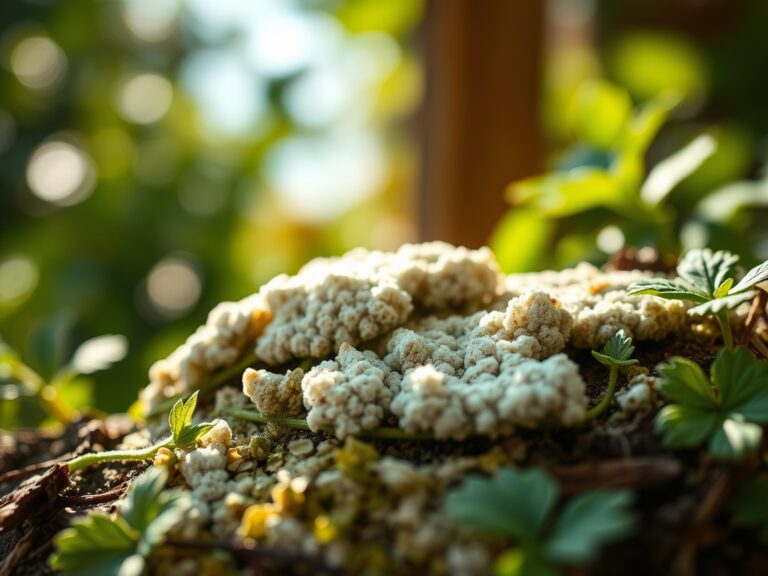
This is usually a buildup of mineral salts or lime from hard water. Flush the soil with distilled water or repot using a specialized mix with better Cation Exchange Capacity to manage salt loading.
Can I use regular potting soil for succulents?
No. Regular soil has high peat content which retains moisture for too long. This leads to root hypoxia and eventual plant death. Specialized mixes provide the necessary aeration for xeric root systems.
How often should I change the soil?
Replace the substrate every two to three years. Over time, organic components break down and compact, reducing the oxygen available to the rhizosphere and slowing the plant's growth rate.
What is the best pH for succulents?
A pH of 5.5 to 6.5 is ideal. This slightly acidic environment ensures that essential minerals like phosphorus and potassium are chemically available for root uptake.
Does specialized soil prevent pests?
Indirectly, yes. Most soil-borne pests thrive in damp, decaying organic matter. A fast-draining, mineral-heavy specialized soil creates an inhospitable environment for larvae and fungal spores.