8 Steps to Prepare for a New Vertical Trellis System
The smell of damp earth after a deep tilling indicates the presence of geosmin; this chemical byproduct of Actinobacteria signals a soil environment ready for active cultivation. High turgor pressure in a seedling allows it to stand erect against gravity. Achieving this level of cellular hydration is the first milestone when learning how to prepare a garden for a trellis. Vertical systems demand structural integrity from both the plant and the substrate. Without a foundation of high Cation Exchange Capacity (CEC) and precise nutrient density, a trellis becomes a liability rather than an asset. Success requires moving beyond aesthetics to focus on the mechanical and biological requirements of climbing species. You must calculate the weight of the mature canopy and the wind resistance of the foliage before the first post is driven into the ground. This guide provides the technical framework to transition from horizontal plots to high-density vertical production.
Materials:

A vertical garden is only as stable as the **rhizosphere** supporting it. You must start with a **friable loam** that maintains a balance of 40 percent sand, 40 percent silt, and 20 percent clay. This texture ensures oxygen reaches the root zone while retaining sufficient moisture.
For the initial soil amendment, target a specific NPK ratio of 5-10-10 for flowering climbers or 10-10-10 for heavy-feeding vining vegetables like cucumbers. Phosphorus is critical for early root development and structural lignification. Monitor your soil pH strictly; most climbing species thrive in a range of 6.2 to 6.8. If the pH drops below 6.0, calcium and magnesium become less available, leading to physiological collapse under the weight of the trellis. Use pelletized lime to raise pH or elemental sulfur to lower it, applying these at least four weeks before planting to allow for chemical stabilization.
Timing:
The biological clock of a vertical garden is dictated by the photoperiod and Hardiness Zones. In Zones 5 through 7, the window for installing a trellis system typically opens in late April or early May, once the soil temperature consistently reaches 60 degrees Fahrenheit (15.5 Celsius). Planting too early into cold, anaerobic soil leads to root rot and stunted internode elongation.
Understand the transition from the vegetative stage to the reproductive stage. For indeterminate species, the trellis must be in place before the plant reaches 6 inches in height. Once a plant initiates its reproductive cycle, energy shifts from root and stem development to flower and fruit production. If you attempt to trellis a plant after it has become "woody" or established a sprawling habit, you risk snapping the primary stem and disrupting the flow of water through the xylem.
Phases:

Sowing and Site Preparation
Clear a strip of land 12 inches wide along the length of your intended trellis. Excavate to a depth of 8 inches to break up any hardpan layers that might restrict vertical root penetration. Incorporate organic matter to increase the CEC, which allows the soil to hold onto positively charged nutrients like potassium and ammonium.
Pro-Tip: Mycorrhizal symbiosis is essential here. Inoculate the soil with Arbuscular Mycorrhizal Fungi (AMF) during sowing to extend the root system's reach; this biological partnership increases phosphorus uptake by up to 300 percent.
Transplanting
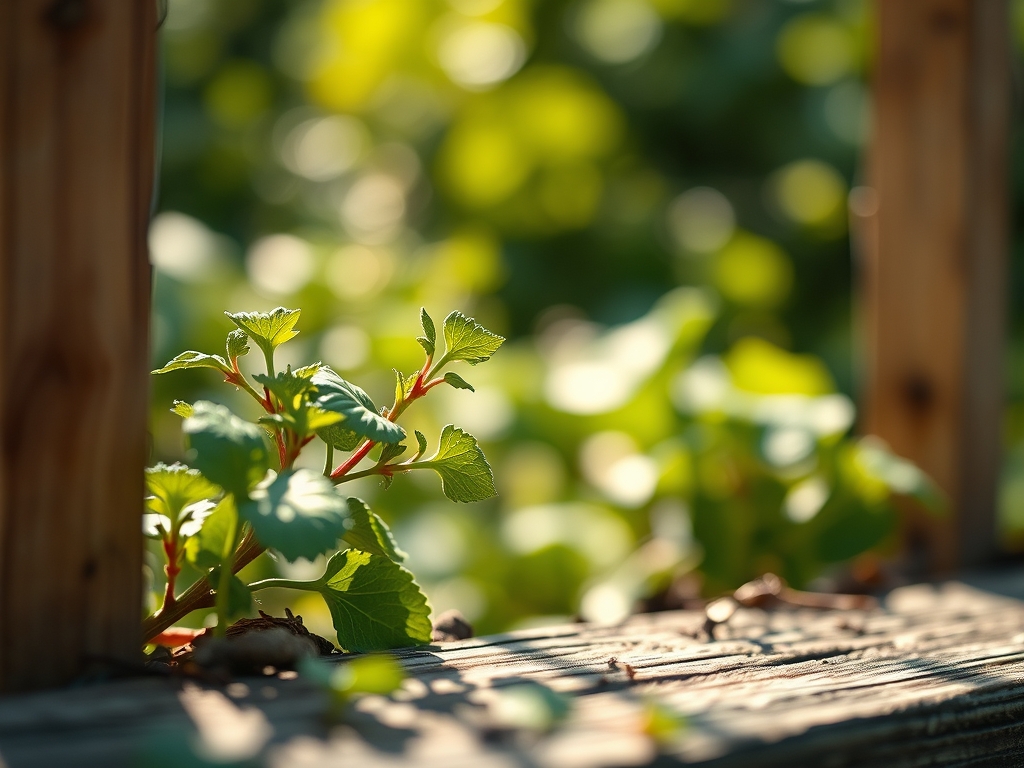
When moving seedlings from flats to the trellis base, ensure the root ball is saturated to maintain turgor pressure. Space plants according to their mature leaf area index; for most vining crops, this is 12 to 18 inches apart. Dig a hole twice the width of the root ball and set the plant slightly deeper than it was in the pot to encourage adventitious root growth.
Pro-Tip: Utilize auxin suppression by gently guiding the main leader upward. By maintaining a vertical orientation, you suppress the lateral buds through apical dominance, forcing the plant to prioritize upward growth toward the light source.
Establishing and Training
As the plant grows, use soft ties to secure the stem to the trellis. Do not tie them tightly; leave a 0.5-inch gap to allow for secondary thickening of the stem. Monitor the "search" behavior of tendrils, which utilize thigmotropism to wrap around supports upon contact.
Pro-Tip: Observe phototropism daily. If the plant leans aggressively away from the trellis, it indicates insufficient light penetration. Prune excess foliage to ensure the lower nodes receive at least 400-600 micromoles of light.
The Clinic:
Physiological disorders often manifest quickly in vertical systems due to the increased exposure to wind and rapid transpiration rates.
- Symptom: Interveinal chlorosis on older leaves (yellowing between green veins).
Solution: This indicates Magnesium deficiency. Apply a foliar spray of Epsom salts (1 tablespoon per gallon of water) to bypass soil lockout. - Symptom: Blossom end rot in fruiting climbers.
Solution: This is a Calcium transport issue, often caused by inconsistent moisture. Stabilize the water table to ensure a steady flow of calcium through the transpiration stream. - Symptom: Flagging or wilting during the heat of the day despite moist soil.
Solution: The transpiration rate is exceeding the root's uptake capacity. Install a 50 percent shade cloth to reduce thermal stress on the foliage. - Fix-It (Nitrogen Chlorosis): If the entire plant turns pale green, apply a high-nitrogen liquid fertilizer (NPK 10-0-0) to the rhizosphere for immediate uptake.
Maintenance:
Precision is the hallmark of a master horticulturist. Provide exactly 1.5 inches of water per week delivered at the drip line via soaker hoses. Use a soil moisture meter to verify that the root zone at a 6-inch depth remains consistently moist but not saturated.
Keep your bypass pruners sanitized with 70 percent isopropyl alcohol to prevent the spread of pathogens. Use a hori-hori knife to remove deep-rooted weeds that compete for nutrients within the trellis footprint. Every 14 days, inspect the structural integrity of the trellis; tighten any loose wires and ensure the anchors are not pulling out of the substrate due to the increasing weight of the biomass.
The Yield:
Harvesting from a trellis requires timing based on senescence and sugar accumulation. For legumes, harvest when the pods are firm and the seeds are barely visible to ensure maximum tenderness. For ornamental climbers, cut flowers in the early morning when turgor pressure is at its peak.
Use sharp snips to make a clean cut at a 45-degree angle above a node. To maintain "day-one" freshness, immediately plunge the stems into 40-degree Fahrenheit water to remove field heat and slow down the metabolic rate. This process, known as precooling, extends the shelf life of the harvest by reducing the rate of respiration.
FAQ:
How deep should trellis posts be buried?
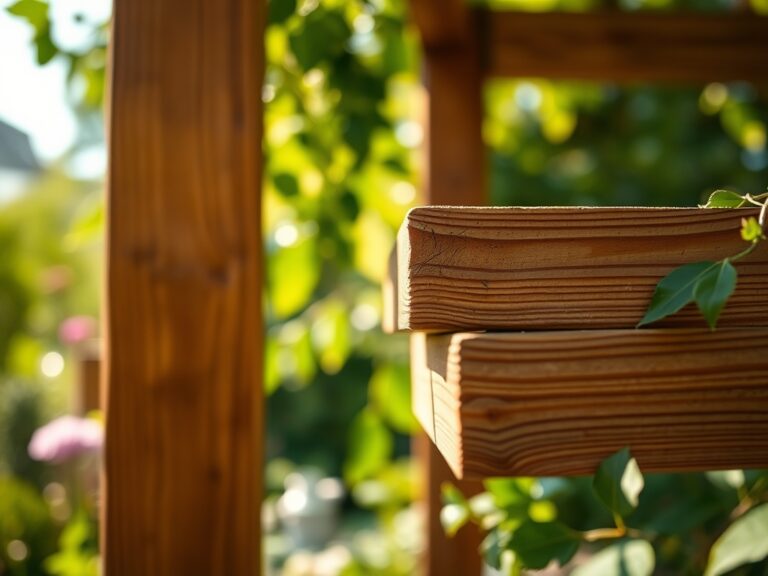
Drive structural posts at least 18 to 24 inches into the ground. For heavy crops like melons, use concrete footings to prevent the system from leaning as the fruit reaches maturity and increases the gravitational load.
What is the best NPK ratio for a new trellis?
Start with a 10-10-10 balanced fertilizer during soil preparation. Once the plant reaches the top of the trellis, switch to a 5-10-10 ratio to prioritize reproductive growth and fruit development over further vegetative expansion.
Can I reuse trellis netting every year?
It is not recommended. Nylon netting can harbor fungal spores and pathogens like powdery mildew. Replace soft netting annually or sanitize rigid cattle panels with a 10 percent bleach solution before the next planting season.
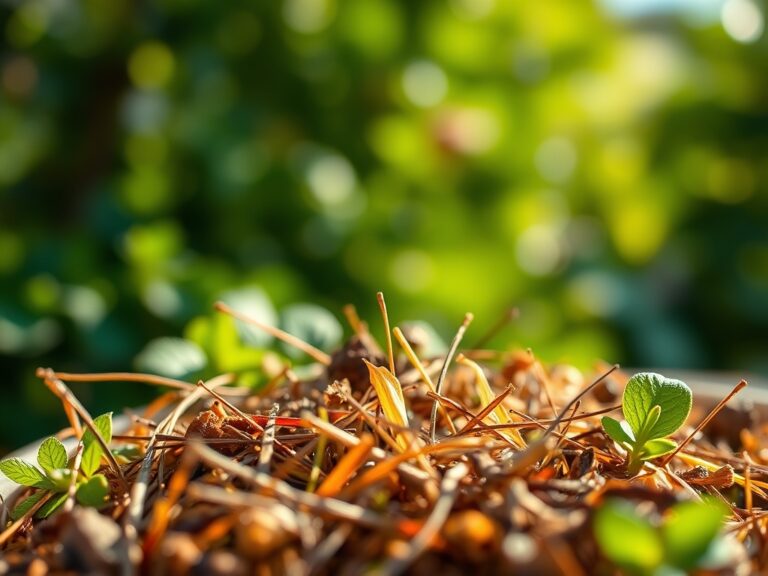
How do I stop the soil from drying out?
Apply a 3-inch layer of organic mulch, such as arborist wood chips or straw, over the root zone. This reduces evaporation, regulates soil temperature, and prevents the "crusting" of the soil surface which inhibits water infiltration.