7 Steps to Install a Permanent Vining Plant Arbor
Crushed basalt and damp humus create a heavy, mineral scent as the spade cuts through the sod. A healthy vine maintains high turgor pressure; its cells are taut with water and ready to climb. Proper execution of the steps for installing a garden arbor ensures that the structure survives the mechanical stress of heavy woody vines. Success depends on structural integrity and the biological needs of the rhizosphere.
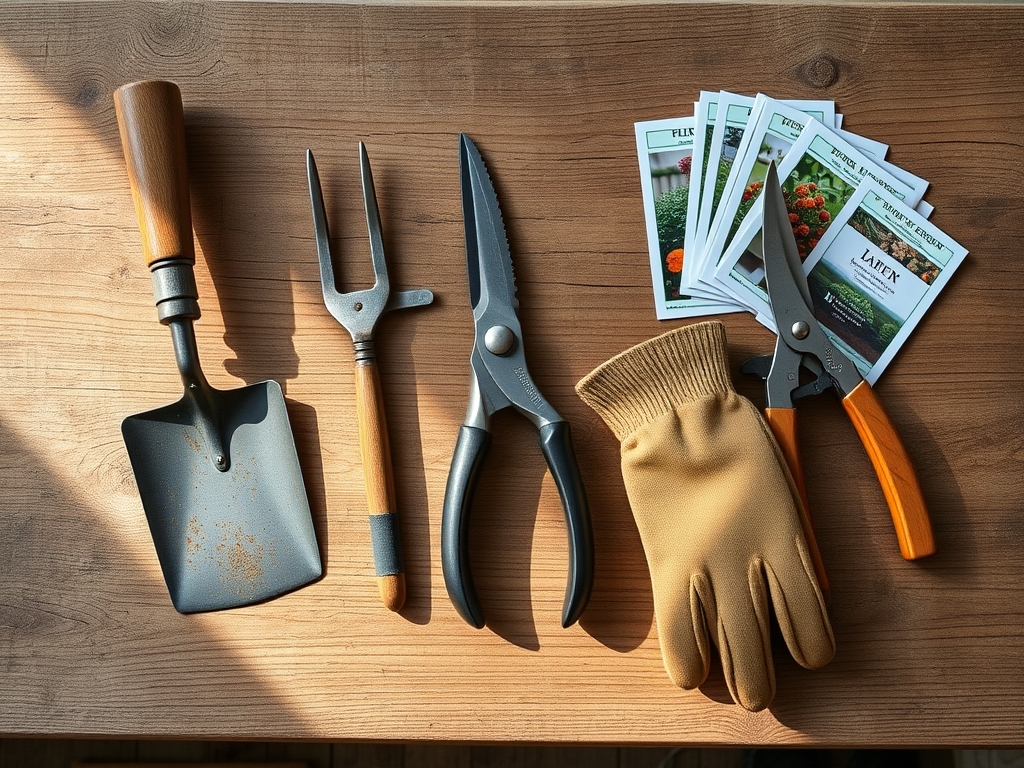
Materials:
The foundation of a permanent arbor begins with the soil. You require a **friable loam** with a granular structure that allows for gas exchange. The ideal substrate maintains a **Cation Exchange Capacity (CEC) between 15 and 25**, ensuring the soil can hold and release essential nutrients like calcium and magnesium.
Before installation, test your soil pH. Most perennial vining plants, such as Clematis or Wisteria, thrive in a pH range of 6.0 to 7.0. For the initial planting hole, integrate a slow-release organic fertilizer with an NPK ratio of 5-10-5. High phosphorus levels encourage robust root establishment without triggering excessive, weak vegetative growth. You will also need pressure-treated 4×4 posts, quick-set concrete, and galvanized hardware to prevent oxidation in high-moisture environments.
Timing:
Installation must align with the physiological state of the plant. In Hardiness Zones 4 through 7, the optimal window is late autumn or early spring when the plant is in its dormant phase. This minimizes transplant shock by allowing root development to occur while the metabolic demands of the foliage are low.
The biological clock of a perennial vine is governed by the photoperiod. Planting during the vernal equinox allows the root system to establish before the plant enters its rapid vegetative stage. Avoid installation when soil temperatures are below 45 degrees Fahrenheit, as root respiration slows significantly, hindering the plant's ability to recover from root hair damage during the transition.
Phases:
Sowing and Site Preparation
Excavate post holes to a depth of 30 inches or below the local frost line. A deep anchor prevents the arbor from heaving during freeze-thaw cycles. The planting site should be amended with organic matter to improve drainage.
Pro-Tip: Ensure the soil is not compacted during excavation. Compaction collapses the macropores required for oxygen to reach the roots; this prevents anaerobic conditions that lead to root rot.
Transplanting the Vine
Dig a hole twice as wide as the root ball. Position the plant so the crown sits exactly at the soil line. For heavy vines, install a secondary support wire system onto the arbor frame using 14-gauge stainless steel wire.
Pro-Tip: Use a mycorrhizal inoculant during transplanting. This fungal symbiosis expands the root surface area by up to 1,000 times, significantly increasing the uptake of phosphorus and micronutrients.
Establishing the Structure
During the first growing season, the focus is on structural training. Use soft ties to secure the main lead to the arbor. Prune back lateral shoots to encourage upward growth.
Pro-Tip: Practice apical dominance management. By keeping the main leader vertical, you suppress the lateral auxins; this forces the plant to invest energy into vertical height rather than bushy side growth.
The Clinic:
Physiological disorders often mimic disease but are usually environmental or nutritional.
-
Symptom: Interveinal chlorosis (yellowing between leaf veins) on new growth.
Solution: This indicates an Iron (Fe) deficiency, often caused by a pH above 7.2. Apply chelated iron and lower the pH using elemental sulfur. -
Symptom: Marginal leaf burn or scorching on older leaves.
Solution: This suggests Potassium (K) deficiency or salt accumulation. Flush the soil with 3 inches of water to leach salts and apply a 0-0-50 sulfate of potash supplement. -
Symptom: Wilting despite moist soil.
Solution: This is likely root hypoxia from over-saturation. Improve drainage by adding perlite or coarse sand to the rhizosphere. -
Symptom: Stunted growth with dark purple leaf undersides.
Solution: Phosphorus (P) deficiency. This is common in cold soils where P becomes immobile. Apply a liquid seaweed extract for rapid absorption.
Maintenance:
A permanent arbor requires a rigorous maintenance schedule. Deliver 1.5 inches of water per week at the drip line; do not spray the foliage, as this increases the risk of fungal pathogens. Use a soil moisture meter to verify that the moisture has penetrated 8 inches deep.
Pruning is essential for air circulation. Use bypass pruners for clean cuts that heal quickly. For thicker woody stems, a hori-hori knife can assist in removing suckers at the base. Every spring, top-dress the base with 2 inches of compost to maintain the organic matter percentage. Inspect the hardware of the arbor annually; tighten bolts and replace any rusted screws to ensure the structure can support the increasing weight of the mature vine.
The Yield:
If your arbor features flowering vines like Lonicera or Passiflora, harvest blooms in the early morning when cell turgidity is at its peak. Use sharp snips to make a 45-degree cut. Immediately plunge the stems into room temperature water (approximately 70 degrees Fahrenheit) to prevent air embolisms in the xylem. For fruiting vines like grapes, harvest when the Brix level (sugar content) reaches the desired threshold, typically between 18 and 22 percent. Use a refractometer for precise data.
FAQ:
How deep should arbor posts be buried?
Posts must be buried at least 24 to 30 inches deep. In colder climates, they must extend below the local frost line to prevent shifting. Use concrete to secure the base for long-term stability under heavy vine loads.
What is the best soil for vining plants?
Vines thrive in friable loam with a pH of 6.0 to 7.0. The soil should have high organic matter and a Cation Exchange Capacity (CEC) above 15 to ensure adequate nutrient availability and moisture retention.
How much water does a new vine need?
A newly installed vine requires approximately 1.5 inches of water per week. Use a soil moisture meter to ensure the water reaches a depth of 8 to 12 inches, promoting deep root establishment and drought resistance.
When is the best time to prune arbor vines?
Pruning should occur during the dormant season, typically late winter or early spring. This timing prevents sap loss and allows the gardener to see the structural framework of the vine without the obstruction of dense summer foliage.
How do I prevent root rot on an arbor?
Ensure the site has excellent drainage and avoid over-watering. Maintain a porous soil structure and avoid planting the crown too deep. If the soil is heavy clay, amend the area with coarse grit or sand to improve aeration.