7 Steps to Build a Decorative Runner Bean Garden Arbor
Runner beans climb toward the sun with twining stems that grip any vertical surface, producing cascades of scarlet or white flowers followed by edible pods. These vigorous legumes transform a simple arbor into a productive, ornamental structure that cools pathways and feeds families from July through October. Mastering the steps for building a vegetable garden arbor dedicated to runner beans requires understanding both carpentry fundamentals and the nitrogen-fixing biology of Phaseolus coccineus. The arbor becomes a living architecture where wood meets chlorophyll.
Materials
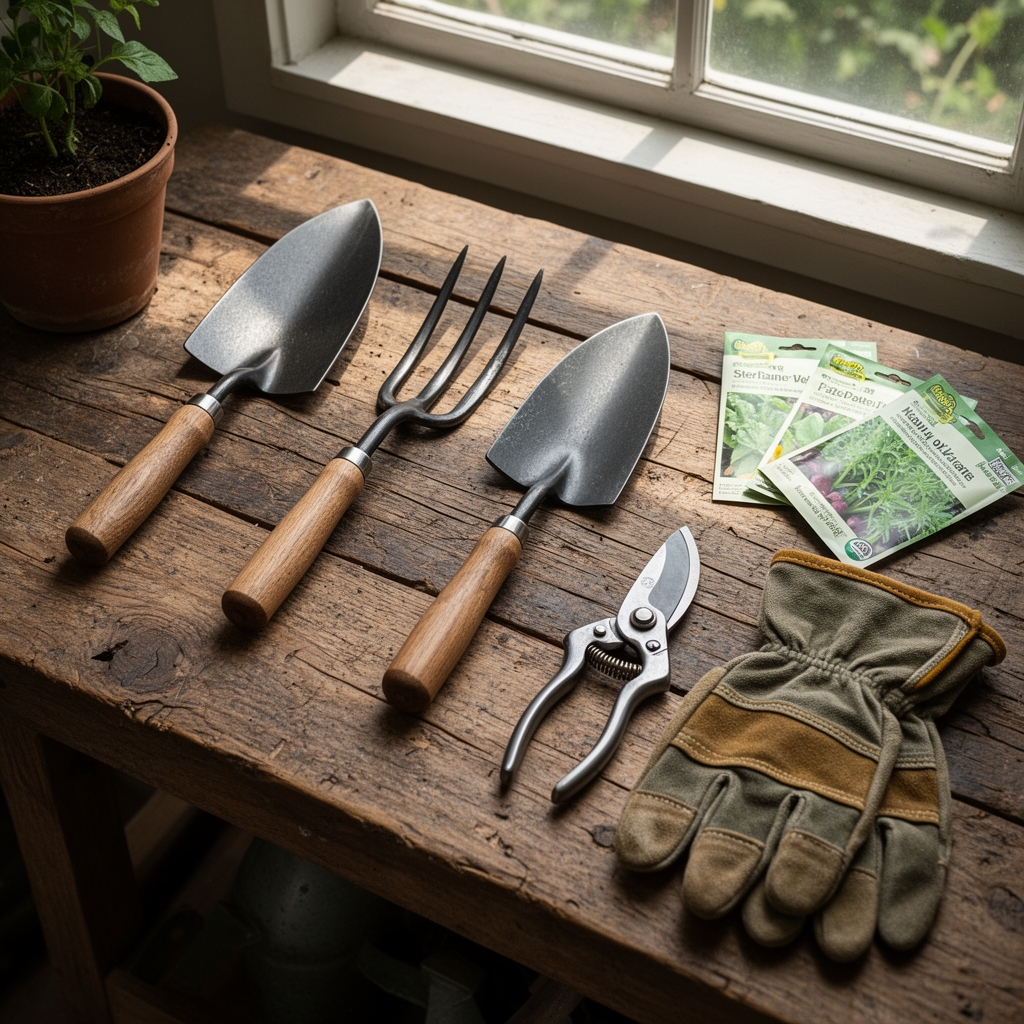
Select rot-resistant lumber for longevity. Cedar or black locust posts, 4 inches by 4 inches, anchor the structure. Use 2-inch by 4-inch crossbeams of untreated pine or fir for the canopy framework. Galvanized deck screws (3-inch) resist corrosion better than nails. Jute twine or UV-resistant nylon netting provides climbing surfaces with 4-inch to 6-inch mesh openings.
Soil amendments govern yield. Runner beans thrive in neutral to slightly alkaline soil, pH 6.5 to 7.0. Incorporate a balanced organic fertilizer rated 4-4-4 or 5-5-5 at planting. Blood meal (12-0-0) supplies nitrogen, though legumes generate their own through Rhizobium bacteria housed in root nodules. Bone meal (3-15-0) supports flowering and pod set. Compost with a carbon-to-nitrogen ratio near 25:1 improves cation exchange capacity, allowing clay particles to hold calcium and magnesium ions that regulate cell wall strength in developing pods.
Mycorrhizal fungi inoculants, applied at seeding, extend root reach by 10 to 100 times, accessing phosphorus in soil pores beyond root hairs. Choose Glomus species formulations for vegetables. A single packet treats 50 row feet.
Timing
Hardiness Zones 3 through 9 support runner beans as warm-season annuals. In Zones 3 to 5, direct-sow seeds two weeks after the last spring frost date, when soil temperatures stabilize above 60 degrees Fahrenheit. Zones 6 and 7 gardeners sow from late April through mid-May. Zones 8 and 9 benefit from March sowings or fall plantings in August, avoiding the mid-summer heat that inhibits pod set above 85 degrees Fahrenheit.
Construct the arbor in early spring, four to six weeks before planting. This allows post concrete footings to cure fully. Wood seasoning and minor settling occur before vines load the structure with 15 to 30 pounds of biomass per plant by August.
Phases
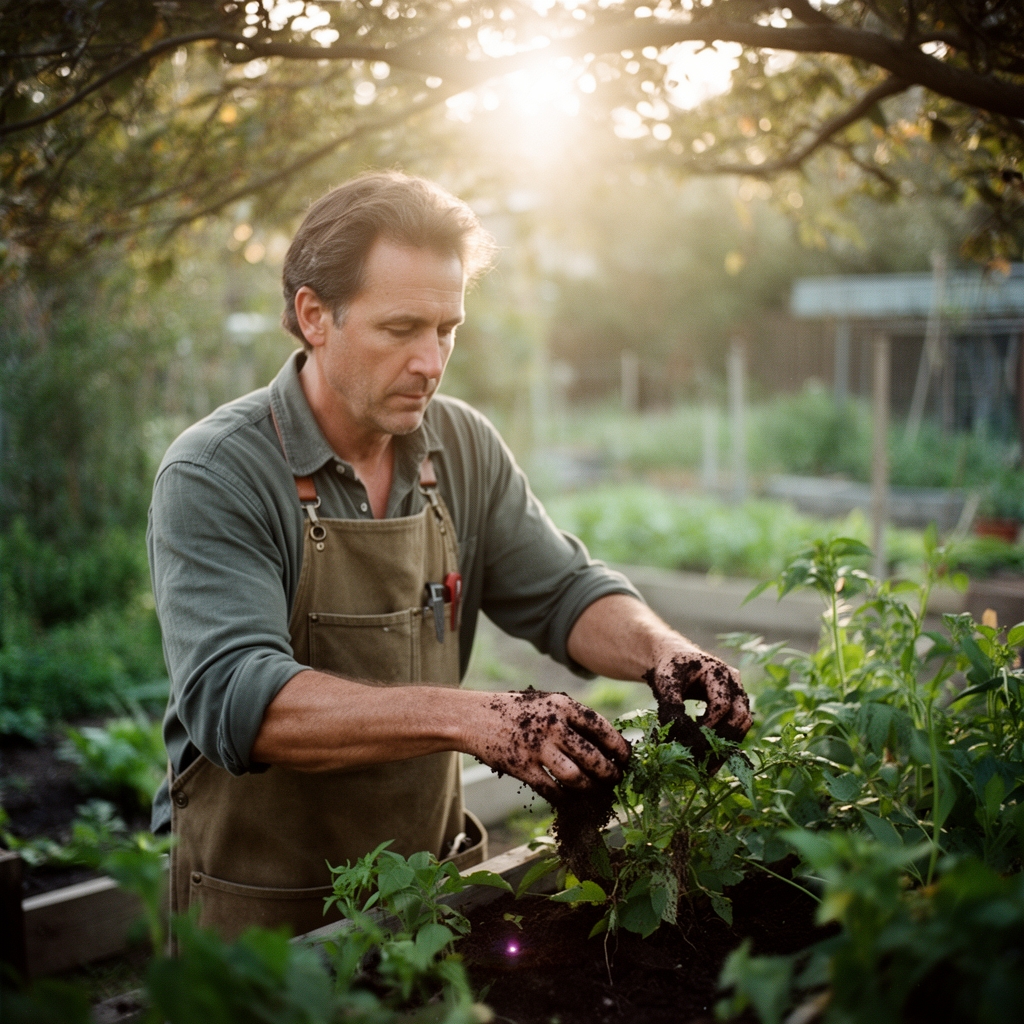
Sowing: Dig post holes 24 inches deep, spaced 6 feet apart along the arbor's length and 4 feet across the width. Pour 4 inches of gravel for drainage, set posts plumb, and fill with concrete mix. Allow 72 hours to cure. Attach horizontal crossbeams at 7 feet height, creating a flat-topped tunnel. String jute twine vertically every 8 inches, anchoring to buried stakes at the base and overhead beams.
Sow runner bean seeds 1 inch deep, 6 inches apart, directly beneath each twine line. Plant eyes face downward to guide radicle emergence. Germination occurs in 7 to 14 days. Water with 0.5 inch immediately after sowing to initiate imbibition, the uptake of water that activates enzymes in the endosperm.
Pro-Tip: Coat seeds with Rhizobium leguminosarum inoculant powder before sowing. This bacteria colonizes root tissue, forming pink nodules that fix atmospheric nitrogen at rates of 100 to 200 pounds per acre per season, reducing fertilizer dependence.
Transplanting: Runner beans resent root disturbance. Avoid transplanting unless starting indoors in peat pots four weeks before outdoor planting. Harden off seedlings by reducing water and exposing them to outdoor conditions for one hour daily, increasing by one hour over seven days.
Pro-Tip: Transplant in late afternoon or on overcast days to minimize transplant shock from rapid transpiration under full sun.
Establishing: Vines reach the 7-foot canopy in six to eight weeks. Tendrils coil counterclockwise, triggered by thigmotropism, a touch-sensitive growth response mediated by auxin redistribution to the shaded side of the stem. Guide wayward shoots by gently wrapping them around twine in their natural coiling direction. Pinch terminal buds once vines traverse the arbor top to redirect energy into lateral flowering shoots.
Pro-Tip: Apply foliar kelp spray (diluted 1 tablespoon per gallon) at first bloom to supply cytokinins and trace minerals that improve flower retention, reducing blossom drop during heat stress.
Troubleshooting
Symptom: Yellow leaves with green veins on upper foliage.
Solution: Iron chlorosis from alkaline soil above pH 7.5. Apply chelated iron at 1 tablespoon per gallon, drenching the root zone.
Symptom: White powdery coating on leaves in late summer.
Solution: Powdery mildew (Erysiphe polygoni). Spray 1 tablespoon baking soda plus 1 teaspoon insecticidal soap per gallon of water every seven days.
Symptom: Holes in leaves and chewed flowers.
Solution: Japanese beetles. Handpick at dawn when beetles are sluggish. Apply neem oil (2 tablespoons per gallon) to deter feeding.
Symptom: Blossoms drop without forming pods.
Solution: Temperatures exceed 85 degrees Fahrenheit, or pollinator absence. Shade the arbor with 30% shade cloth. Introduce mason bees or hand-pollinate with a soft brush, transferring pollen from anthers to stigmas.
Symptom: Stunted growth and small, pale leaves.
Solution: Nitrogen deficiency in sandy soils. Side-dress with alfalfa meal (3-1-2) at 1 cup per plant, watering in thoroughly.
Maintenance
Runner beans require 1 inch of water per week, delivered in one or two deep soakings rather than daily sprinkling. Drip irrigation at the base conserves water and prevents foliar diseases. Mulch with 3 inches of straw to moderate soil temperature and suppress weeds.
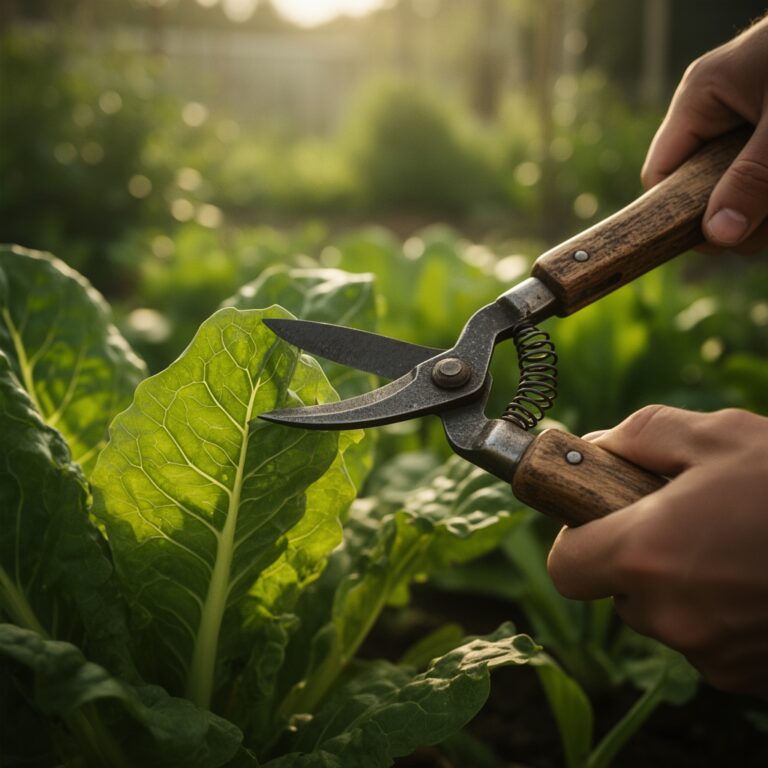
Harvest pods every two to three days once they reach 6 to 8 inches long. Continuous picking extends production into fall by preventing seed maturation, which signals the plant to cease flowering. Pods left to mature divert carbohydrates into seed production, reducing subsequent pod set by 40%.
Prune lower leaves that yellow or touch the ground to improve air circulation and reduce fungal spore reservoirs. In Zones 7 and warmer, cut vines to 12 inches in September to stimulate a second flush of growth and late-season pods through October.
FAQ
How far apart should arbor posts be?
Space posts 6 feet along the length and 4 feet across the width for structural stability and optimal light penetration to lower foliage.
Can runner beans grow in containers under an arbor?
Yes. Use 5-gallon containers filled with a mix of 60% compost, 30% peat, and 10% perlite. Container beans need 1.5 inches of water weekly.
Do runner beans need full sun?
They tolerate partial shade but produce maximum pods with six to eight hours of direct sun daily. Morning sun reduces disease by drying foliage quickly.
What is the yield per plant?
Expect 3 to 5 pounds of pods per plant over a 10- to 12-week harvest period under ideal conditions.
When should I dismantle the arbor seasonally?
Leave the structure year-round. Remove dead vines in late fall, then replant the following spring. Cedar posts last 15 to 20 years with minimal maintenance.