8 Integrating Steps to Prepare an Aquaponic Vegetable Garden
Aquaponic systems transform how gardeners cultivate vegetables by combining fish farming with soil-free plant production. Traditional soil preparation becomes obsolete, yet understanding how to prepare a garden for an aquaponic vegetable garden demands precise structural planning, water chemistry management, and biological system integration. The conversion process from conventional gardening to aquaponics requires eight distinct steps that establish symbiotic relationships between fish waste, beneficial bacteria, and nutrient-hungry plants. Each phase builds upon microbial colonization cycles and nitrogen conversion pathways that replace conventional fertilization.
Materials
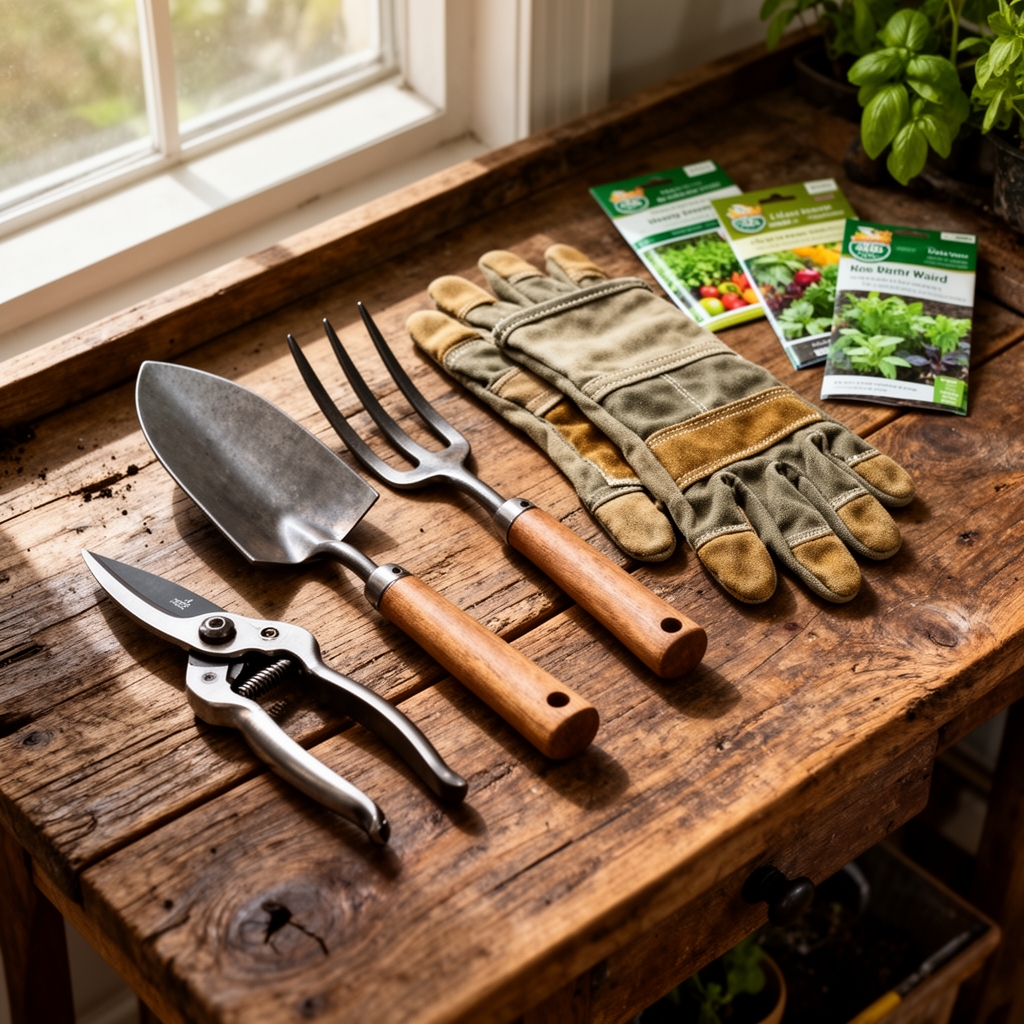
Aquaponic gardens eliminate traditional amendments but require specialized equipment and biological inputs. The foundation begins with a fish tank sized at 250-500 gallons for starter systems. Grow beds demand inert media such as expanded clay aggregate (pH 6.5-7.5) or volcanic rock with high cation exchange capacity. Water pumps must circulate 4-6 times the system volume hourly.
The biological components include nitrifying bacteria cultures (Nitrosomonas and Nitrobacter species) that convert ammonia to nitrate. Fish stock selection matters: tilapia tolerate temperatures of 75-86°F while goldfish adapt to 65-75°F ranges. Testing kits monitor ammonia (0-0.25 ppm target), nitrite (0 ppm), nitrate (5-150 ppm), and pH (6.8-7.2 optimal range).
Supplemental nutrients address gaps in fish waste composition. Chelated iron maintains 2 ppm concentration for leafy greens. Calcium carbonate buffers pH and provides 60 ppm calcium. Potassium hydroxide supplements reach 50 ppm for fruiting crops. These additions create an effective NPK ratio of approximately 1-1-2 from fish waste combined with supplements, suitable for lettuce, herbs, and tomatoes.
Timing
Aquaponic system preparation follows different schedules than soil gardens. Initial setup begins 6-8 weeks before intended planting dates to allow bacterial colonization. The nitrogen cycle establishment requires 21-42 days depending on water temperature and bacterial inoculum concentration.
Hardiness zones affect outdoor aquaponic systems more than indoor operations. Zones 8-11 support year-round outdoor systems, while zones 3-7 require greenhouse protection or seasonal shutdown. Indoor systems maintain constant production regardless of external conditions.
Fish introduction occurs after ammonia-processing bacteria establish. Add 1-2 small fish per 10 gallons initially. Plant seedlings transplant after nitrate levels reach 10 ppm, indicating full bacterial colonization. Stagger plantings every 2-3 weeks for continuous harvest cycles.
Phases
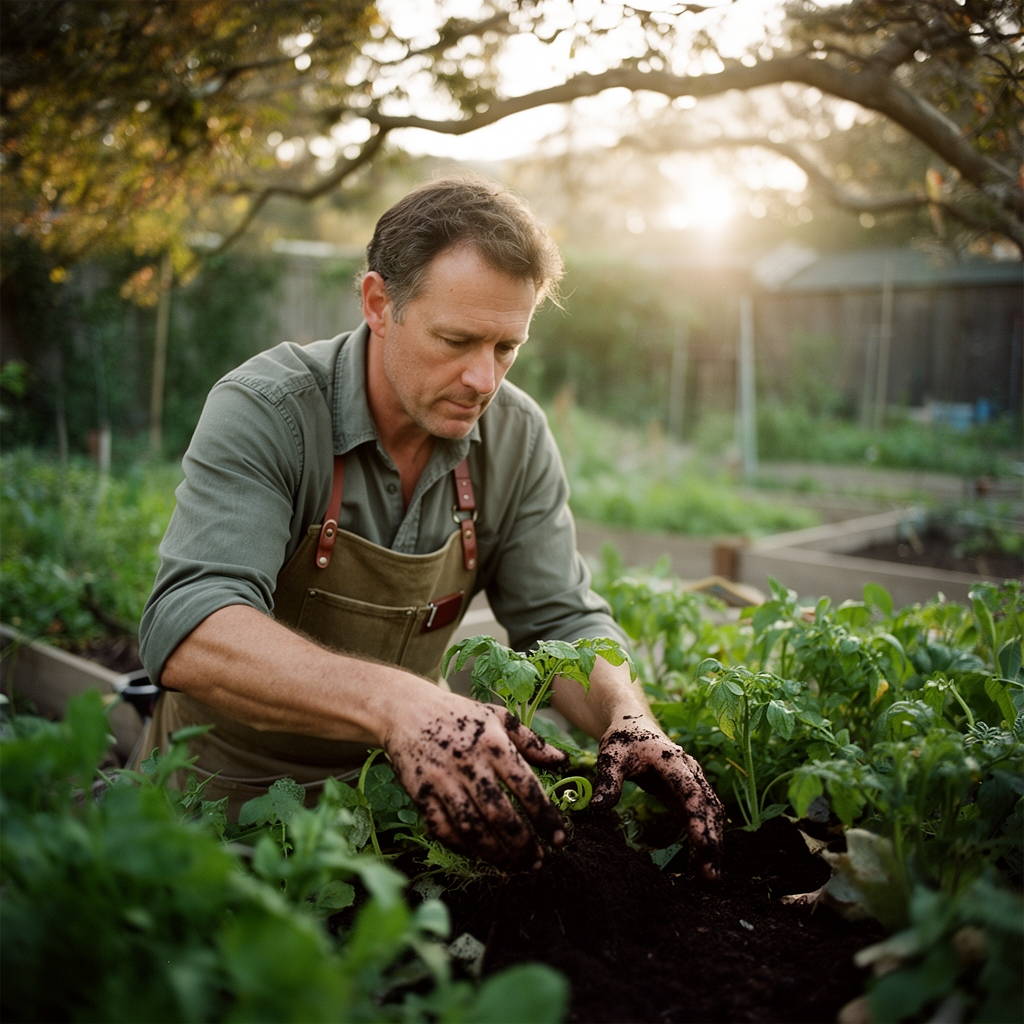
Cycling Phase: The system cycling establishes nitrifying bacteria populations. Add ammonia source through fish food decomposition or pure ammonia solution (4 ppm initial concentration). Water temperature at 77-86°F accelerates bacterial reproduction. Test water daily, tracking ammonia spike (days 7-14), followed by nitrite spike (days 14-21), and final nitrate accumulation (days 21-35). Pro-Tip: Introduce 2 cups of gravel from established aquariums or commercial bacterial starter cultures to reduce cycling time by 40-50%.
Transplanting Phase: Seedlings started in rockwool cubes or net pots transfer to grow beds when root systems measure 2-3 inches. Plant spacing follows standard recommendations: lettuce at 6-inch centers, tomatoes at 18-inch centers. Roots must reach water flow or saturated media within 24 hours. Support structures for vining crops install before root systems expand. Pro-Tip: Trim root systems at 45-degree angles during transplanting to stimulate lateral root branching and enhance nutrient absorption surface area by 30%.
Establishing Phase: Plants require 14-21 days to adapt auxin distribution patterns to constant moisture and nutrient availability. Monitor leaf color progression from pale yellow-green to deep green as nitrogen uptake stabilizes. Fish feeding increases gradually to 1-2% of body weight daily, elevating nutrient input. Beneficial bacteria populations reach equilibrium at 1-2 million colony-forming units per milliliter. Pro-Tip: Introduce mycorrhizal fungi to grow bed surfaces despite constant moisture, selecting water-tolerant species like Glomus intraradices that colonize roots and improve phosphorus uptake efficiency by 25%.
Troubleshooting
Symptom: Yellow leaves with green veins (interveinal chlorosis) appearing on new growth indicates iron deficiency.
Solution: Add chelated iron (Fe-DTPA) at 2 mg/L. Verify pH remains below 7.5 where iron availability decreases exponentially.
Symptom: Stunted growth with purple leaf undersides signals phosphorus deficiency rare in mature systems.
Solution: Supplement rock phosphate at 0.5 oz per 100 gallons. Increase water temperature above 70°F to enhance phosphorus solubility.
Symptom: White fuzzy growth on roots indicates Saprolegnia fungal infection common during establishment.
Solution: Remove affected roots with sterilized shears. Add 1 teaspoon salt per gallon temporarily (maximum 3 days for sensitive fish species). Improve water circulation to 6x turnover rate.
Symptom: Fish gasping at surface reveals dissolved oxygen below 5 ppm threshold.
Solution: Install additional air stones delivering 0.5 CFM per 100 gallons. Reduce feeding by 50% until oxygen stabilizes above 6 ppm.
Symptom: Leaf tip burn on lettuce and herbs from excess salts accumulating in low-water-use systems.
Solution: Perform 10% water change weekly. Verify electrical conductivity remains below 1.5 mS/cm for leafy crops.
Maintenance
Feed fish once daily at consistent times, providing amounts consumed within 5 minutes. Remove uneaten food after 10 minutes to prevent ammonia spikes. Test water parameters weekly: pH, ammonia, nitrite, nitrate. Adjust pH using potassium hydroxide (raises) or phosphoric acid (lowers) in 0.2 increments.
Replace 10-15% of system water weekly to remove accumulated salts and replenish trace minerals. Clean mechanical filters every 3-5 days, rinsing with system water to preserve bacterial colonies. Inspect grow bed surfaces for solid accumulation, removing debris monthly.
Prune plants weekly, removing 20% of lower foliage to improve air circulation and redirect auxin to productive growth. Harvest lettuce by cutting 1 inch above crown for regrowth potential. Supply 14-16 hours of light daily for fruiting crops using full-spectrum LEDs at 400-600 PPFD intensity.
FAQ
How long does cycling take for new aquaponic systems?
Complete nitrogen cycle establishment requires 21-42 days at 75-80°F water temperature with proper bacterial inoculation and ammonia source.
Can aquaponic systems function outdoors in cold climates?
Zones 3-7 require greenhouse protection or seasonal operation. Water temperatures below 60°F slow bacterial activity and fish metabolism significantly.
What fish-to-plant ratio works best?
Maintain 1 pound of fish per 5-7 gallons of grow bed volume for leafy greens, or 1 pound per 8-10 gallons for heavy-feeding fruiting crops.
Do aquaponic vegetables taste different than soil-grown produce?
Taste remains comparable when mineral supplementation maintains adequate calcium, potassium, and micronutrient levels matching soil-based NPK ratios.
How often should water quality testing occur?
Test daily during cycling and establishment phases, then weekly once the system stabilizes after 60 days of operation.