9 Best Cleaning Tools and Methods to Sanitize Garden Gear
The scent of last season's tomato blight lingers on steel. Soil crusts the tines of your favorite digging fork. Rust blooms on pruning shears that touched diseased foliage. Best vegetable garden tool cleaning prevents pathogens from overwintering on equipment and guarantees optimal performance when spring planting begins. Sanitized tools protect mycorrhizal fungi networks in your beds and prevent cross-contamination between crop families.
Materials
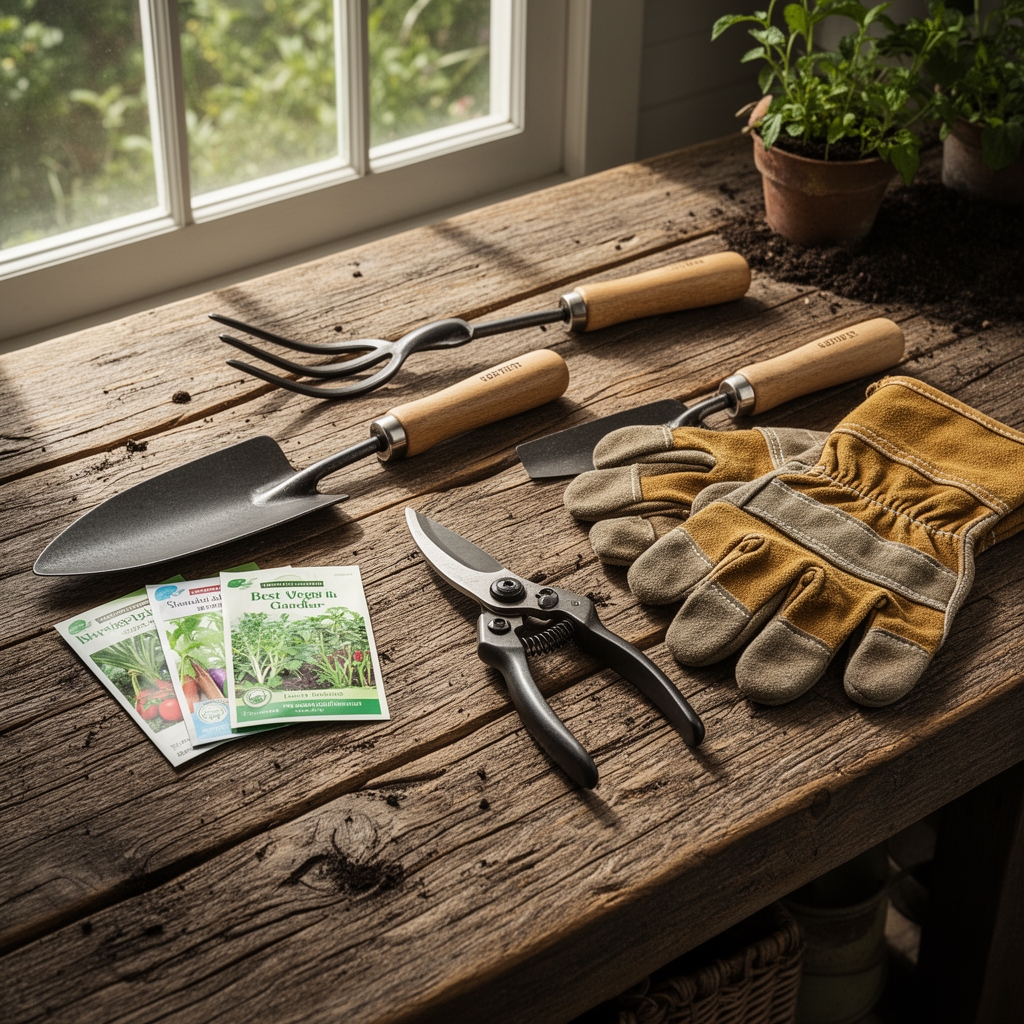
Assemble a pH-neutral dish soap (7.0 pH) for initial degreasing without disrupting soil chemistry on subsequent use. A stiff wire brush removes clay particles that harbor Fusarium and Verticillium wilt spores. For sanitizing, select a 10% bleach solution (1 part household bleach to 9 parts water) or 70% isopropyl alcohol. The bleach solution raises local pH to 12.5, providing broad-spectrum antimicrobial action but requiring thorough rinsing to prevent metal corrosion.
White vinegar at 5% acetic acid offers an organic alternative for light disinfection, though it lacks efficacy against bacterial canker. Food-grade mineral oil or 3-in-1 machine oil protects carbon steel from oxidation. A pumice stone or medium-grit sandpaper (120-grit) addresses heavy rust. Boiled linseed oil preserves wooden handles by penetrating grain structures and reducing moisture absorption that leads to cracking.
For sharpening, use a 10-inch mill bastard file for spades and hoes, holding the tool at a 20-degree angle to the cutting edge. Diamond sharpening stones with 400-grit and 1000-grit faces maintain pruner and knife precision. Collect materials in a dedicated bucket to avoid introducing cleaning agents into composting systems where they disrupt cation exchange capacity.
Timing
Execute deep cleaning after final fall harvest and before spring soil preparation. In Hardiness Zones 3-5, complete sanitization by mid-October, before tool sheds drop below 35°F and mineral oils thicken. Zones 6-8 gardeners have flexibility through early November. Southern zones 9-11 should clean tools after winter cropping cycles in late February.
Sharpen blades two weeks before last expected frost date. This timing allows immediate deployment when soil temperatures reach 50°F for early brassicas or 60°F for warm-season solanaceous crops. Monthly maintenance during active growing season prevents buildup. Sterilize pruners between cuts when working with susceptible crops like heirloom tomatoes prone to tobacco mosaic virus transmission.
Phases

Phase One: Gross Debris Removal
Scrape caked soil from spades, hoes, and cultivators using a putty knife at a 45-degree angle. Remove all organic matter where decomposers begin colonization. Rinse under high-pressure water, directing spray away from wooden junctions where moisture causes handle rot. For tools used in late blight-affected beds, bag and dispose of scraped material rather than composting.
Pro-Tip: Spray tools with water immediately after garden work. Dried clay bonds to metal at molecular level and requires ten times the effort to remove after 48 hours.
Phase Two: Deep Cleaning and Sanitization
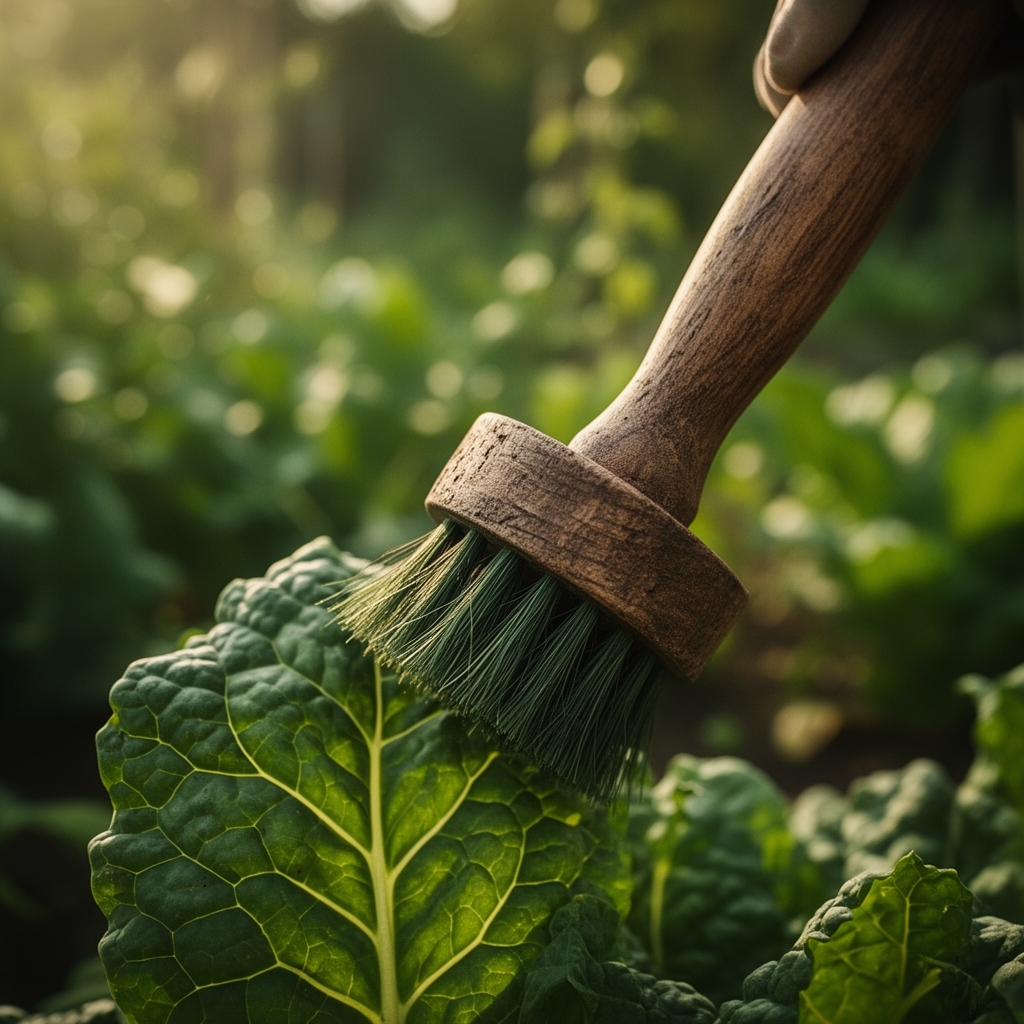
Submerge metal portions in hot soapy water for 15 minutes to loosen residual oils and sap. Scrub all surfaces with wire brush, paying attention to pivot points on pruners where auxin-rich plant fluids accumulate. Rinse thoroughly. Immerse cutting tools in 10% bleach solution for 30 minutes, ensuring complete coverage of blades. This contact time eliminates fungal spores, bacterial colonies, and most viral particles.
For wooden handles, wipe with damp cloth and mild soap. Avoid soaking, which raises grain and weakens fibers. Address splinters with 220-grit sandpaper, working with the grain. Allow all components to air dry completely for 2-4 hours before oil application.
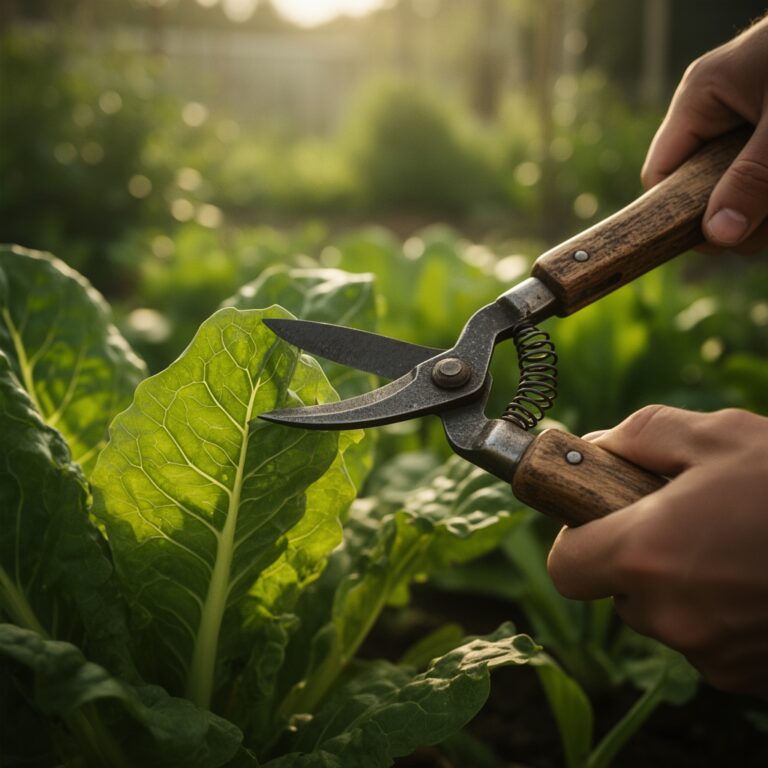
Pro-Tip: Sanitize loppers and pruning saws between cuts when removing fire blight-infected branches. Keep a small spray bottle of 70% alcohol in your tool belt for field sterilization.
Phase Three: Protection and Sharpening
Apply thin coat of mineral oil to all metal surfaces using a lint-free cloth. The oil displaces moisture and creates a barrier against oxidation. Rub boiled linseed oil into wooden handles until grain saturates, then wipe excess. Allow 24-hour curing time in ventilated area.
Sharpen cutting edges with file or stone. Hold the file at the original bevel angle, typically 20-25 degrees for most garden implements. Push file in one direction only, maintaining consistent pressure. Make 8-10 strokes, then test sharpness on paper. A properly honed edge slices newsprint cleanly without tearing.
Pro-Tip: Mark the factory bevel angle on new tools with permanent marker before first sharpening. This reference line prevents over-grinding that weakens the edge.
Troubleshooting
Symptom: Orange-brown oxidation on trowel blades despite dry storage.
Solution: Increase oil coating thickness. Condensation forms when tools move from cold sheds to warm soil. Apply second oil layer and store tools off concrete floors that conduct cold.
Symptom: Wooden handles split vertically near ferrule.
Solution: This indicates moisture cycling. Sand affected area to bare wood, apply wood glue to crack, clamp for 24 hours, then seal with three coats of boiled linseed oil at 48-hour intervals.
Symptom: Pruner blades stick or require excessive hand pressure.
Solution: Pivot bolt has corroded. Disassemble, soak parts in white vinegar for 4 hours to dissolve mineral deposits, scrub with brass brush, lubricate with machine oil, and reassemble with slight tension.
Symptom: Hoe edge rolls instead of cutting when striking compacted soil.
Solution: Metal has lost temper from over-sharpening or excessive heat. File at shallower 30-degree angle to create thicker edge geometry. Replace if rolling persists.
Maintenance
Clean tools after each use during peak season. Wipe blades with oiled rag kept in pocket. This 30-second practice prevents 90% of rust formation. Apply fresh oil coat monthly during storage. Sharpen digging tools every 20 hours of use. Check wooden handles weekly for grain raising or loose ferrules.
Store tools hanging rather than piled. Vertical orientation allows drainage and air circulation. Maintain shed humidity below 50% using desiccant packs in enclosed cabinets. Inspect cutting tools before spring deployment, re-sanitizing any that contacted diseased material the previous season.
FAQ
How often should I sanitize tools between garden beds?
Sanitize when moving between plant families or when any bed shows disease symptoms. A 30-second alcohol spray between tomato and pepper beds prevents solanaceous pathogen spread.
Can I use cooking oil instead of mineral oil?
No. Vegetable oils polymerize and turn rancid, attracting pests and creating sticky residue that interferes with soil penetration.
Does bleach damage stainless steel tools?
Prolonged exposure causes pitting. Limit stainless steel contact to 10 minutes, rinse immediately, and dry thoroughly. Use alcohol for routine maintenance.
What removes pine sap from pruner blades?
Rubbing alcohol dissolves resin effectively. For heavy buildup, use commercial citrus-based degreaser, then sanitize and oil.
Should I oil tools before winter storage or in spring?
Both. Fall application protects during dormancy. Spring touch-up ensures immediate readiness and removes any condensation-based oxidation.