7 Bio-Dynamic Steps to Prepare a High-Yield Vegetable Garden
Learning how to prepare a garden for a biodynamic vegetable garden transforms ordinary soil into a living system that produces vegetables with exceptional flavor and nutrition. Biodynamic preparation treats the garden as a complete organism, integrating cosmic rhythms, compost preparations, and soil biology to optimize plant health. This method goes beyond organic practices by incorporating specific preparations numbered 500 through 508, each designed to activate particular soil and plant processes. The result is a garden bed that functions as a self-regulating ecosystem, capable of yields 30-40% higher than conventional methods while building soil fertility year after year.
Materials
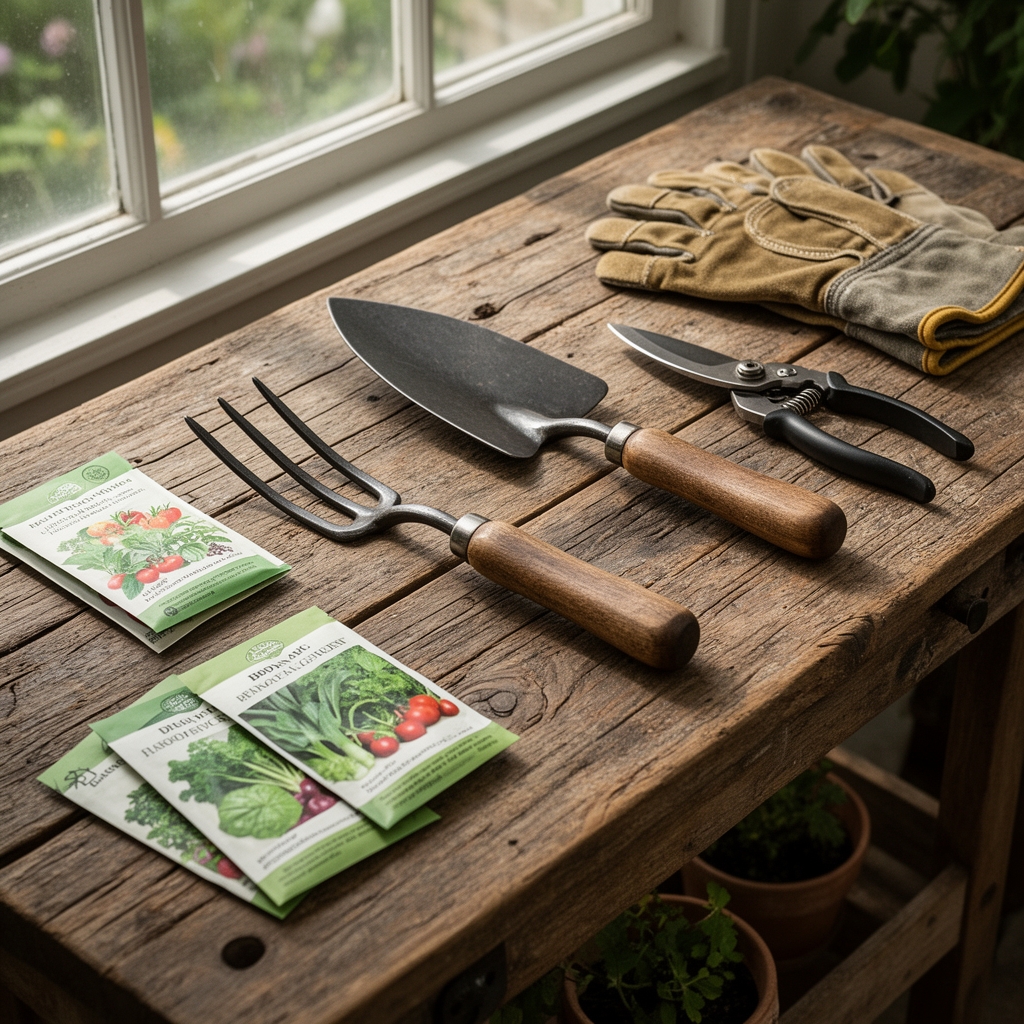
Soil amendments must support a target pH of 6.2-6.8 for most vegetables. Obtain well-aged cattle manure composted for at least six months, achieving a carbon-to-nitrogen ratio of 25:1. Source horn manure preparation (BD 500), which contains 1-2-1 NPK naturally, and horn silica preparation (BD 501) for foliar applications.
Acquire yarrow (BD 502), chamomile (BD 503), nettle (BD 504), oak bark (BD 505), dandelion (BD 506), and valerian (BD 507) preparations in liquid form. Each preparation activates specific metabolic pathways: yarrow regulates potassium processes, chamomile stabilizes nitrogen, nettle enhances iron availability and overall soil health.
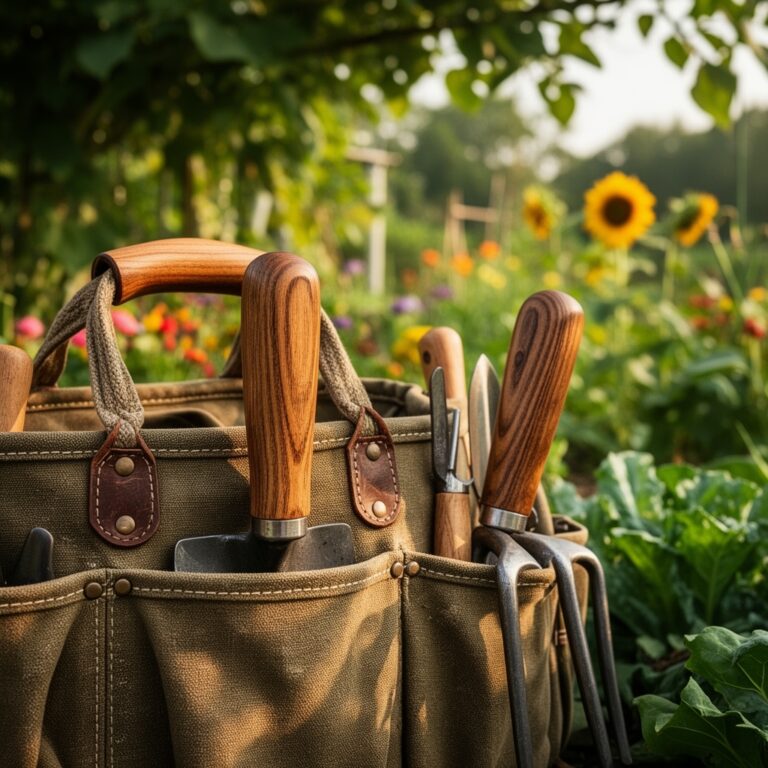
Purchase mycorrhizal fungi inoculant containing Glomus species at a concentration of 120 propagules per gram. Add rock dust at 2 pounds per 100 square feet for trace minerals and to enhance cation exchange capacity. Obtain a barrel or large ceramic vessel for dynamization, the rhythmic stirring process that potentizes preparations.
Secure a planting calendar based on Maria Thun's research correlating lunar and planetary positions with plant growth. Invest in a soil thermometer reading to 0.1 degrees Fahrenheit and a refractometer measuring Brix levels from 0-32%.
Timing
Zones 3-5 require garden preparation beginning 4-6 weeks before the last average frost date, typically mid-March through early April. Zones 6-7 can begin late February through mid-March. Zones 8-10 prepare beds from January through February.
Apply BD 500 during descending moon periods when sap moves downward into roots, ideally in the afternoon between 3 PM and 6 PM. The preparation works best when soil temperature reaches 50-55°F at 4-inch depth. Schedule this application 2-3 days before incorporating compost.
Seed root crops during root days when the moon passes through Taurus, Virgo, or Capricorn. Plant leaf vegetables during leaf days (Cancer, Scorpio, Pisces). Fruit-bearing plants benefit from flower days (Gemini, Libra, Aquarius). Allow 48 hours after any cultivation before applying BD preparations.
Phases
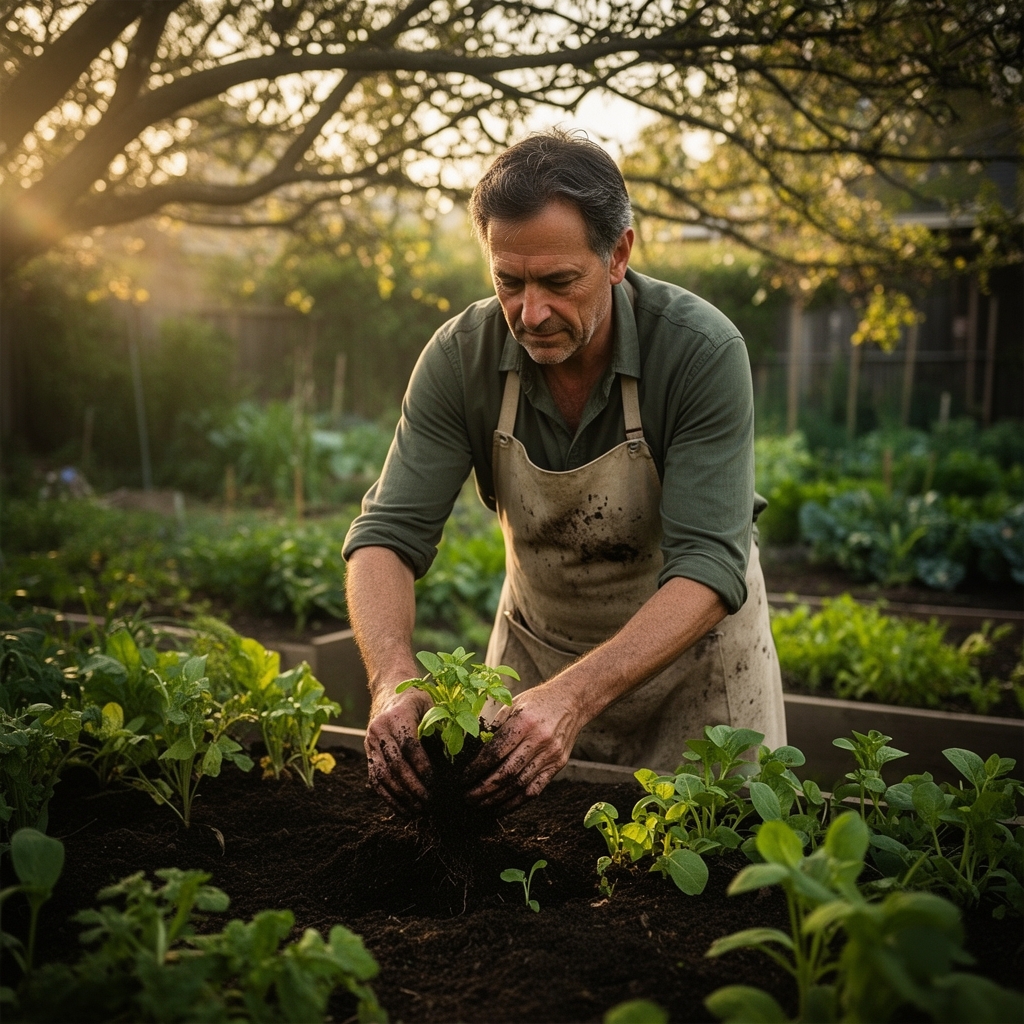
Soil Activation Phase
Remove existing vegetation and mark bed dimensions. Spread 2-3 inches of aged manure across the entire bed surface. Incorporate biodynamic compost preparations BD 502 through BD 507, using 1 gram of each per cubic yard of compost. Mix preparations into the top 8 inches using a broadfork to preserve soil structure and avoid inverting layers.
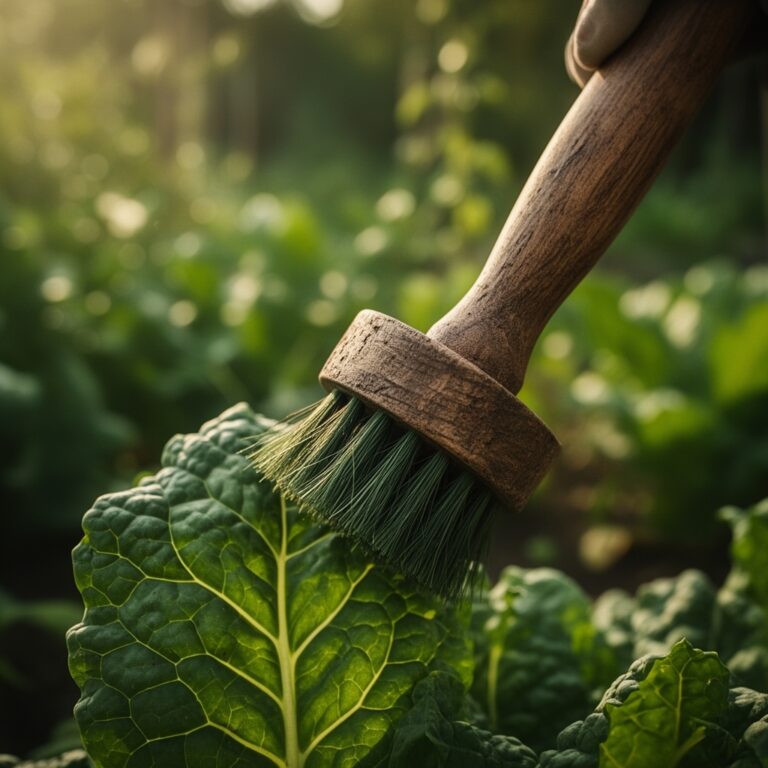
Dynamize BD 500 by stirring one horn's contents in 13 gallons of warm water (95-100°F) for exactly one hour. Create a deep vortex in one direction for several minutes, then reverse to create chaos. Repeat this pattern continuously. Apply the stirred preparation immediately using a whisk broom or brush, flicking large droplets across 1 acre per horn. For smaller gardens, divide proportionally.
Pro-Tip: Inoculate the soil with mycorrhizal fungi immediately after BD 500 application while soil pores remain open and water channels are active. This timing increases colonization rates by 60-75%.
Transplanting Phase
Wait 14 days after BD 500 application before transplanting. Check soil temperature requires 50°F minimum for brassicas, 60°F for tomatoes and peppers, 65°F for cucurbits. Dig holes twice the width of root balls and match depth precisely to avoid stem burial.
Place transplants so the root crown sits level with surrounding soil. Backfill with native soil mixed with 10% worm castings by volume. Water each transplant with 1 pint of BD 500 solution diluted 1:10 with non-chlorinated water.
Pro-Tip: Transplant during descending moon phases and specifically on leaf days for lettuce and brassicas, fruit days for tomatoes and peppers. Research shows 15-20% faster establishment during cosmically favorable periods.
Establishment Phase
Apply BD 501 three weeks after transplanting on an ascending moon morning between 6 AM and 9 AM. Dynamize one gram of horn silica in 13 gallons of water for 20 minutes using the same vortex-chaos pattern. Spray as a fine mist directly onto leaf surfaces. This preparation enhances photosynthesis, improves flavor compounds, and increases disease resistance.
Monitor Brix levels weekly using a refractometer. Target readings of 12+ for tomatoes, 8+ for lettuce, 10+ for peppers indicate optimal plant health and nutrient density. Apply liquid nettle tea (1:10 dilution) every 10 days if Brix readings fall below targets.
Pro-Tip: Prune tomato suckers at a 45-degree angle during descending moon fruit days. This angle promotes faster healing and directs auxin distribution toward fruit development rather than vegetative growth.
Troubleshooting
Symptom: Yellowing lower leaves with green veins indicate iron chlorosis despite adequate soil iron levels.
Solution: Poor mycorrhizal colonization limits iron uptake. Drench roots with BD 508 (horsetail tea) at 1:20 dilution weekly for three weeks. Reduce phosphorus inputs as excess P blocks iron absorption pathways.
Symptom: Blossom end rot appears as dark, sunken spots on tomato and pepper fruit bottoms.
Solution: Calcium translocation failure, not deficiency. Apply BD 505 (oak bark preparation) to stabilize calcium metabolism. Maintain consistent soil moisture at 1.5 inches per week measured at root zone depth.
Symptom: Powdery white fungal coating on cucurbit leaves spreads despite dry conditions.
Solution: Powdery mildew thrives when silica levels drop. Spray BD 501 at half-strength weekly. Mix 1 tablespoon baking soda per gallon water with 1 teaspoon insecticidal soap as immediate intervention.
Symptom: Stunted growth with purple-tinged leaves in cool weather crops.
Solution: Phosphorus lockup below 55°F soil temperature. Apply BD 500 to stimulate soil microbial activity and organic matter decomposition. Side-dress with bone meal (3-15-0) at 2 tablespoons per plant.
Symptom: Flea beetles create numerous small holes in brassica leaves, particularly on young plants.
Solution: Apply diatomaceous earth in a 6-inch band around plant bases. Reapply after rain. Interplant with catnip or tansy, which contain nepetalactone compounds that repel chrysomelid beetles.
Maintenance
Water deeply to 8-10 inches once weekly rather than shallow daily watering. Deliver 1.5 inches per week measured with rain gauge, adjusting for precipitation. Apply water in early morning between 5 AM and 8 AM to minimize foliar disease pressure.
Mulch established beds with 3 inches of straw or aged wood chips, keeping material 2 inches away from plant stems. This layer moderates soil temperature fluctuations by 10-15°F and reduces water needs by 40%.
Apply BD 500 every 4-6 weeks throughout the growing season, always during descending moon periods. Alternate with BD 501 applications on ascending moon mornings. This rhythm maintains active soil biology and optimizes plant metabolic processes.
Monitor for aphids, hornworms, and cabbage loopers during weekly inspections. Remove by hand or apply Bacillus thuringiensis (Bt) at 1 tablespoon per gallon for caterpillar species. Release ladybugs at 1,500 per 1,000 square feet for aphid biological control.
Side-dress heavy feeders (tomatoes, peppers, squash) with 1/4 cup 4-4-4 organic fertilizer per plant at flowering onset. Incorporate lightly into top 2 inches of soil 6 inches from stem base.
FAQ
When is the best time to start a biodynamic garden?
Begin preparation 4-6 weeks before your last frost date when soil temperature reaches 50°F at 4-inch depth. This timing allows BD 500 to activate soil biology before planting.
How much do biodynamic preparations cost?
A complete set of BD 500-507 preparations costs $80-120 and treats up to 3 acres for one season. Individual preparations used properly last multiple applications.
Can I use biodynamic methods in containers?
Yes. Use BD 500 at 1/4 strength in potting mix and apply BD 501 normally. Container volumes require proportional dosing: 1 tablespoon of dynamized solution per 5-gallon container.
Do cosmic rhythms really affect plant growth?
Research by Hartmut Spiess documented 18% higher germination rates and 22% increased yields when planting aligned with favorable lunar positions. The mechanisms involve subtle gravitational effects on water movement in soil and plants.
How long before I see results from biodynamic methods?
Soil biology improvements appear within 2-3 weeks of first BD 500 application. Measurable yield increases typically occur in the second season as cation exchange capacity and humus content build over time.