6 Liquid Steps to Treat Nutrient Deficiency with Fertilizer
When yellowing leaves spread across tomato vines in mid-July or cucumber margins turn brown and curl inward, the gardener faces a clear signal: the soil no longer holds sufficient mobile or immobile nutrients to sustain photosynthesis and cellular repair. Steps for treating nutrient deficiency with fertilizer demand precise diagnosis of symptoms, matching liquid formulations to specific ionic shortages, and timed applications that align with root uptake capacity rather than calendar convenience.
Materials

Select liquid fertilizers according to both pH range and macronutrient profile. For nitrogen deficiencies manifesting as chlorosis in older leaves, use fish emulsion at 5-1-1 diluted to half strength (1 tablespoon per gallon). This organic solution performs optimally in soils with pH 6.0 to 7.0, where cation exchange capacity allows ammonium ions to bind temporarily to clay particles before root uptake.
For phosphorus limitation shown by purpling stems and stunted root development, prepare liquid bone meal extract or use soluble 0-10-10 formulations. These products require soil pH below 6.5, since phosphate ions precipitate into unavailable forms in alkaline conditions. Potassium shortages, evident in marginal leaf scorch and weak stem structure, respond to kelp-based 0-0-8 concentrates that also supply trace minerals including boron and zinc.
Calcium deficiency, common in solanaceous crops and causing blossom end rot, requires calcium chloride spray at 1 teaspoon per quart of water. Iron chlorosis in acid-loving plants like blueberries demands chelated iron (Fe-EDTA or Fe-DTPA) at 1 tablespoon per gallon, applied only when soil pH exceeds 6.5. Magnesium shortage displays as interveinal chlorosis; Epsom salt (magnesium sulfate) at 1 tablespoon per gallon corrects this within 72 hours in most herbaceous plants.
Timing
Apply foliar sprays during early morning hours between 6:00 and 9:00 AM when stomata remain open and dew provides natural humidity. In USDA Hardiness Zones 3 through 6, begin corrective feeding 10 days after the last spring frost date, when soil temperatures reach 50°F and root hairs actively elongate. Zones 7 through 10 allow application from late February through early November, pausing only during periods of heat stress above 90°F.
Avoid liquid fertilizer application within 48 hours of expected rainfall exceeding 0.5 inches, as leaching carries nutrients below the root zone. Schedule treatments at 7 to 10-day intervals for fast-growing annuals and 14-day intervals for woody perennials. Cease nitrogen-rich applications 30 days before the first expected frost to prevent late-season vegetative growth that reduces cold hardiness.
Phases

Initial Diagnosis and Soil Test
Send soil samples to a cooperative extension laboratory for baseline NPK values and micronutrient analysis. Compare leaf symptoms against published deficiency keys. Yellow lower leaves indicate mobile nutrient shortages (nitrogen, phosphorus, potassium) while yellowing new growth signals immobile element deficiency (iron, calcium, manganese).
Pro-Tip: Test soil pH with a calibrated electronic meter rather than litmus strips. Accuracy within 0.2 pH units determines whether chelated micronutrients will remain soluble or precipitate into unavailable salts.
Foliar Application
Mix liquid concentrate at labeled rates in a pump sprayer with a conical nozzle set to fine mist. Apply solution to both upper and lower leaf surfaces until runoff begins. Foliar absorption occurs through stomata and cuticular wax layers, delivering nutrients directly to chloroplasts within 24 to 48 hours.
Pro-Tip: Add 1 drop of non-ionic surfactant per quart of spray to reduce surface tension and improve coverage. Avoid petroleum-based spreaders that clog stomata.
Soil Drench Protocol
Pour diluted liquid fertilizer in a 12-inch radius around the plant base, targeting the drip line where feeder roots concentrate. Apply 1 pint per square foot of canopy spread for herbaceous annuals, 1 quart per square foot for established shrubs. Water soil immediately after application with an additional 0.5 inches to move nutrients into the root zone.
Pro-Tip: Inoculate soil with mycorrhizal fungi spores (Glomus intraradices) one week before nutrient correction. Fungal hyphae extend the effective root surface area by 100 to 1,000 times, improving uptake efficiency of phosphorus and zinc.
Sequential Feeding
Begin with foliar spray to address acute symptoms, then follow with soil drench 3 days later to replenish root-zone reserves. Repeat the two-step sequence every 10 days for three cycles. Monitor new growth for color correction and measure stem diameter weekly with calipers to confirm resumed auxin distribution and cell division.
Pro-Tip: Alternate nitrogen sources between ammoniacal forms (fish emulsion) and nitrate forms (calcium nitrate) to prevent ammonium toxicity in cool soils where nitrification slows.
Troubleshooting
Symptom: Leaves yellow after treatment, edges turn brown. Solution: Overapplication or high soluble salt concentration. Leach soil with 2 gallons of water per pot volume. Reduce fertilizer concentration by 50 percent in next application.
Symptom: No improvement after 14 days of treatment. Solution: Incorrect diagnosis or pH lockout. Retest soil pH and adjust to species-specific range using sulfur (to lower) or lime (to raise). Reapply chelated micronutrients if pH was above 7.0.
Symptom: Rapid wilting within hours of foliar spray. Solution: Phytotoxicity from excessive concentration or midday application. Rinse foliage immediately with plain water. Wait 7 days before reapplication at half strength.
Symptom: Yellow halos around leaf spots post-treatment. Solution: Fungal infection (Cercospora or Septoria) entering through spray wounds. Apply copper fungicide at 1 tablespoon per gallon. Improve air circulation and reduce foliar wetness duration below 6 hours.
Maintenance
Water plants with 1 inch per week, delivered in two 0.5-inch sessions to maintain consistent moisture without waterlogging. Test soil pH every 30 days during the growing season, adjusting as needed to keep values within 0.3 units of the target range. Continue liquid feeding every 14 days at maintenance rates (one-quarter of corrective dosage) after symptoms resolve.
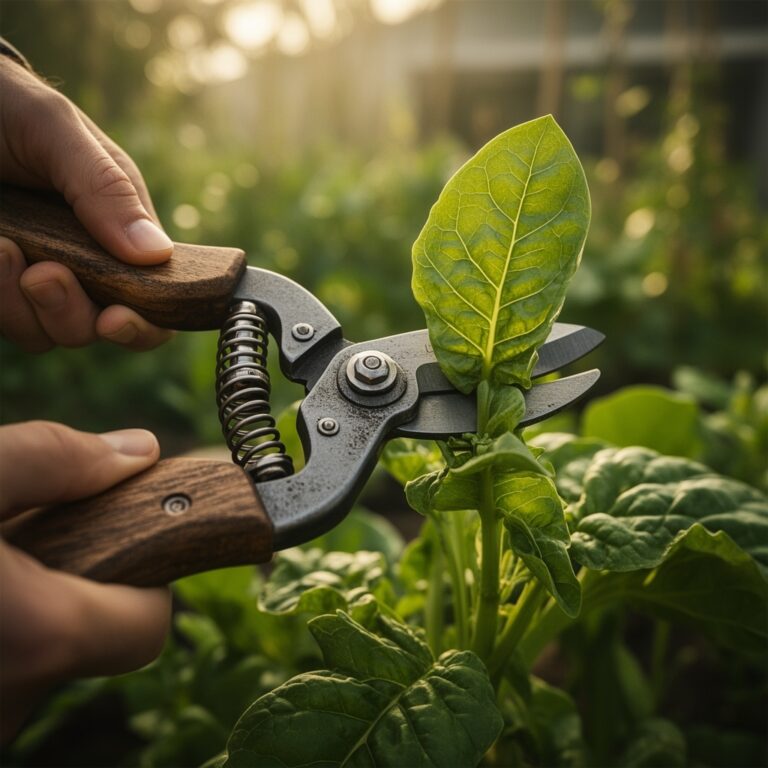
Prune dead or chlorotic leaves at a 45-degree angle 0.25 inches above the nearest node to redirect resources to healthy tissue. Mulch root zones with 2 inches of aged compost to buffer pH fluctuations and provide slow-release organic matter. Monitor cation exchange capacity annually; soils below 10 meq/100g require organic amendments to retain applied nutrients.
FAQ
How quickly do liquid fertilizers correct deficiency?
Mobile nutrients (nitrogen, potassium) show improvement within 3 to 5 days via foliar application. Immobile nutrients (calcium, iron) require 7 to 10 days as new tissue grows with corrected chemistry.
Can I mix multiple liquid fertilizers?
Combine only if both products carry compatible pH ranges and no precipitates form. Never mix calcium solutions with sulfate or phosphate fertilizers; the resulting calcium sulfate or calcium phosphate becomes insoluble.
What concentration prevents root burn?
Maintain electrical conductivity below 2.0 mS/cm in soil solution. Use a conductivity meter to test diluted fertilizer; values above 3.0 mS/cm damage root hairs.
Do liquid fertilizers work in cold soil?
Nutrient uptake slows 50 percent when root zone temperatures drop below 55°F. Foliar application remains effective, but soil drenches provide minimal benefit until soil warms.
How do I prevent recurring deficiency?
Incorporate 2 inches of aged manure or 4-4-4 granular organic fertilizer into the top 6 inches of soil each spring. This builds cation exchange capacity and provides slow-release baseline nutrition for 90 to 120 days.